Reviewed · TOURS
Cape Town: The Diamond Works Institute Sparkling Tour
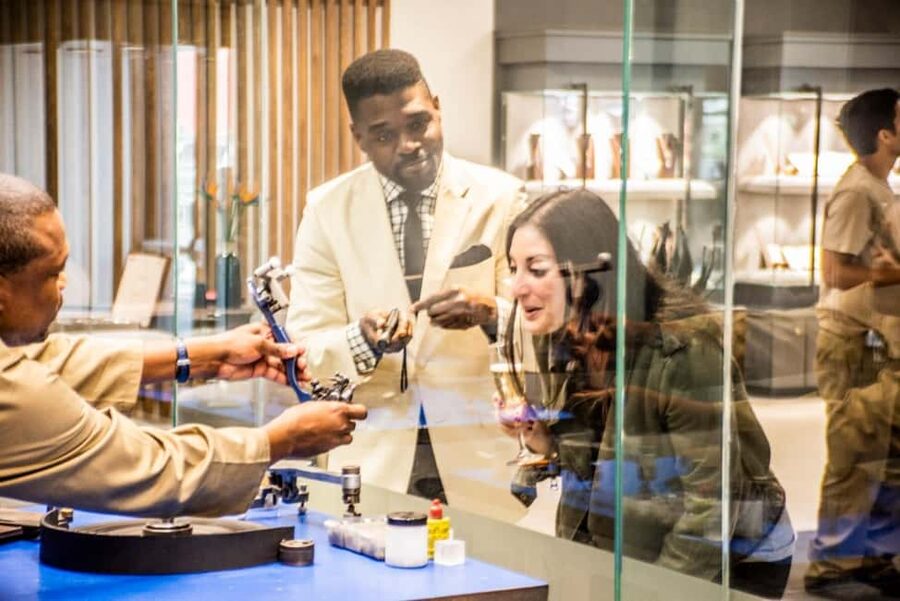
The most playful part of this free Cape Town tour is the chance to step onto a red carpet beside the Taylor Burton diamond neckpiece using augmented reality. You also travel back to Kimberley in 1872 through VR, then try mining a diamond yourself. It turns a jewelry lesson into something you can see and handle.
I like the clear look at diamond cutting and polishing, where rough stone becomes a finished jewel. I also like the Tanzanite studio, since the tour shows a rare South African connection rather than focusing only on diamonds.
The main consideration is that food and parking are not included, and the jewelry design and goldsmith sections may appeal more to shoppers than to anyone wanting a strictly museum-style visit.
Key points to know before you go
- The tour starts with sparkling wine or juice, a small but pleasant welcome before the demonstrations begin.
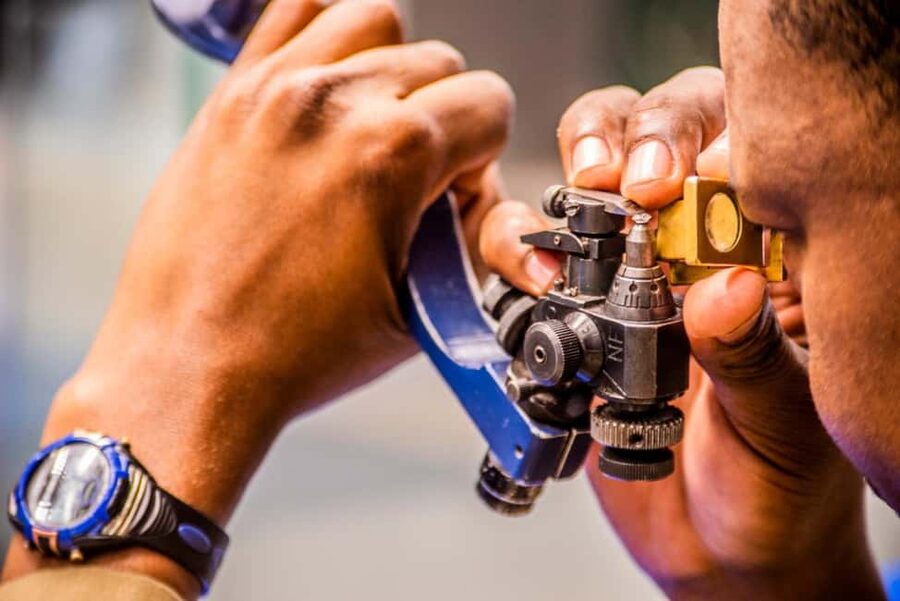
- You follow a rough diamond from mine to showcase, with explanations of cutting and polishing.
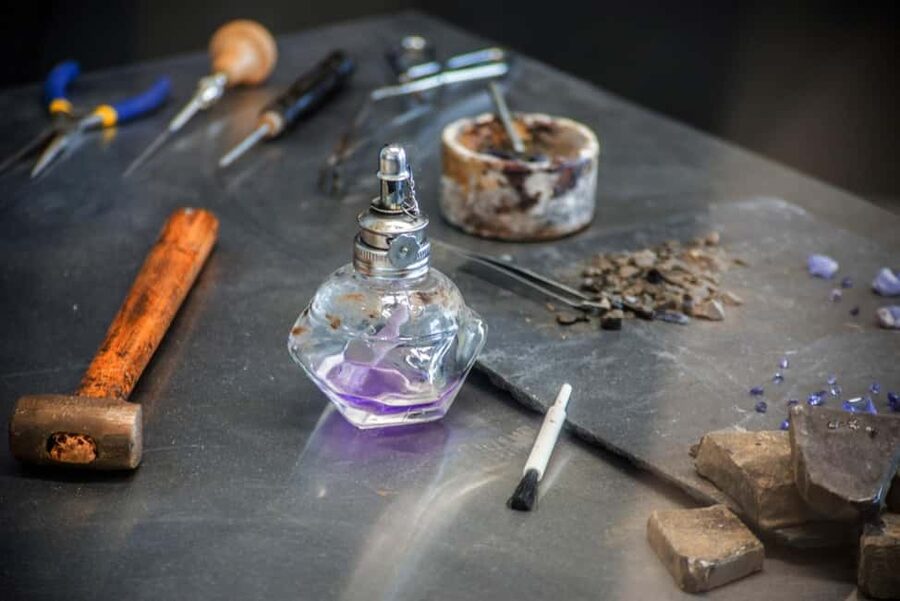
- The Tanzanite polishing boutique is open to the public, giving you a look at a specialized working studio.
- The Taylor Burton neckpiece appears through augmented reality, making a good photo opportunity without handling the actual jewelry.
- VR recreates Kimberley in 1872, including a chance to mine your own virtual diamond.
- The tour costs $0 per person, but food, parking, and any jewelry purchase are separate.
A free introduction to Cape Town’s diamond trade
The Diamond Works Institute sits next to the Rockefeller Hotel in Cape Town. Look for the artwork on the outside wall. The activity finishes where it begins, so you do not need to arrange a separate pickup or find your way to another part of the city afterward.
At $0 per person, this is an easy activity to add to a Cape Town day. The value is especially good if you are curious about jewelry, local industry, or the story behind precious stones. You can spend time learning without committing to a ticket fee, though you should remember that the tour takes place at a jewelry institute rather than an independent public museum.
You receive sparkling wine or juice on arrival. It is a simple touch, but it gives the visit a polished start and helps set the tone. If you do not drink alcohol, the juice option keeps the welcome open to everyone.
The staff aim for a warm, attentive visit. Clear explanations were one of the most praised parts of the experience, along with the friendly welcome. One unusual bit of practical kindness also came up when a guest who had just been pickpocketed was offered an Uber. That does not form part of the normal tour, but it suggests a staff that pays attention when a visitor needs help.
Other Cape Town days people book alongside this one:
- Wine Tour: Paarl, Franschhoek & Stellenbosch incl 3 wineries
★ 5.0 · 3,940 reviews - Cape Town: Hop-On Hop-Off Bus Tour with Optional Cruise
★ 4.8 · 3,929 reviews - Cape Town: Cape of Good Hope & Penguins Day Tour with Pickup
★ 4.7 · 3,362 reviews
From South African diamond history to the cutting wheel
The first main section explains how diamonds shaped South Africa. You hear about their discovery and their effect on the country’s economy and heritage. The subject matters because a diamond is not simply a pretty stone in a display case. Its story includes mining, labor, trade, craftsmanship, and the growth of towns and industries.
The tour then moves from the stone’s origin to its transformation. A rough diamond has little of the sparkle you expect from a finished ring or necklace. Cutting and polishing require careful planning, steady hands, and a sharp eye for how the stone can release light.
You can watch artisans work through this process and see how a rough diamond is carved into a finished jewel. That practical connection is one of the strongest parts of the visit. Instead of hearing only that diamonds are cut and polished, you see how much work sits between the mine and the showcase.
This section suits first-time visitors particularly well. If you have ever wondered why two diamonds of similar size can look different, the cutting stage gives useful context. Shape, proportions, and polish all affect the final appearance.
The explanations also help you understand why a finished diamond costs more than its size alone might suggest. The price reflects the stone itself, but also the skill, equipment, design choices, and labor involved in turning rough material into jewelry.
The Tanzanite studio and the meaning of an African stone

The Tanzanite polishing boutique gives the tour a different focus. Tanzanite is described here as far rarer than diamonds and as the Essence of Africa. The important point for you is that the stone has a strong regional identity, with a story and visual character separate from the better-known diamond trade.
You visit a polishing studio that is described as the only operating Tanzanite studio of its kind in the Southern Hemisphere open to the public. That makes this more than a display of finished stones. You get a look at the work required to bring Tanzanite from a rough piece to a polished gemstone.
The appeal is partly visual. Polishing reveals the color and shine that make Tanzanite desirable. It also gives you a useful reminder that a stone’s beauty is not always obvious at the start. Much of what you admire in the finished piece comes from skilled preparation.
This stop may be the most interesting part for anyone who has already seen standard diamond displays. It offers a less familiar material and a look at a specialized craft. I would give it extra attention instead of treating it as a quick stop between the diamond and gold sections.
The institute’s use of African precious metals also adds a sense of place. You are not looking at generic luxury goods with no local connection. The tour links the objects to South African and African materials, craft, and trade.
Inside the goldsmith workshop
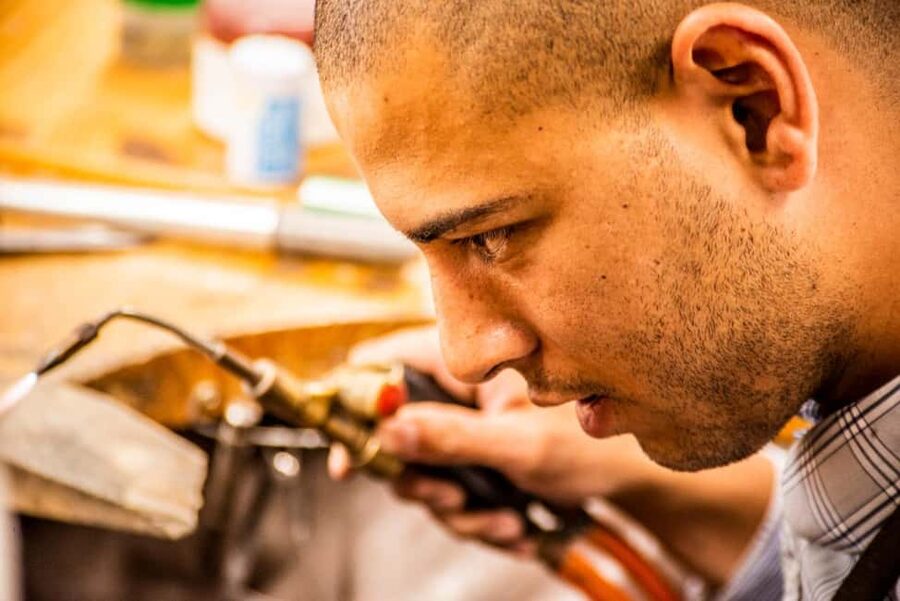
The goldsmith section introduces the manufacturing side of jewelry. The work is carried out by in-house, third-generation goldsmiths, and the tour explains the techniques used to make pieces from African precious metals.
This part helps connect the stone to the setting around it. A diamond or Tanzanite may catch your eye first, but the metalwork determines how the piece sits, how it holds the stone, and how it looks when worn. Seeing the goldsmith process gives you a better sense of the handwork behind finished jewelry.
The third-generation detail matters because it points to a family craft passed through time. You are not simply seeing a finished product in a glass case. You are learning about a working tradition and the methods used to shape precious metal.
The goldsmith section will be especially useful if you are considering a jewelry purchase. You can ask about how a piece was made and what goes into its construction. If you are only interested in mining history, this part may feel less essential, but it still rounds out the journey from raw material to finished item.
The institute also offers a bespoke design service using CAD technology. You can create your own jewelry design, then print a wax replica before the final piece is made. The stated turnaround is 24 hours, with master goldsmiths turning the design into jewelry made from precious metals.
That service is not included in the free tour price. Think of it as an optional next step rather than part of the basic visit. It could suit someone marking a special occasion or looking for a personal design, but you should treat the tour and any custom order as separate decisions.
Same country, a completely different kind of day:
- Zipline Cape Town – From Foot of Table Mountain Reserve
★ 5.0 · 3,179 reviews - Cape Town: Table Mountain Cable Car, Hop-On Hop-Off Bus Tour
★ 4.6 · 3,157 reviews - Cape Point and Boulder’s Penguins Full Day Tour
★ 5.0 · 3,118 reviews - From Cape Town: Cape Point & Boulders Beach Full-Day Tour
★ 4.8 · 3,032 reviews
The Taylor Burton photo and a little red-carpet fun
The Taylor Burton section shifts the mood from workshop demonstration to spectacle. Through augmented reality, you can wear the world-famous Taylor Burton diamond neckpiece and step onto a red carpet for a photo.
You are not handling the actual diamond neckpiece. The appeal comes from the digital effect and the chance to picture yourself in a piece linked to one of the most famous names in jewelry history. It is a light, memorable moment after the more technical explanations.
This stop works well for families, couples, and anyone who enjoys a photo with a story behind it. It also keeps the tour from becoming too serious. Precious stones can bring plenty of technical language, so a red-carpet photo gives you a fun break.
I would not make this the sole reason to visit. The image is an extra, not a full exhibition about the Taylor Burton diamond. Still, it is a clever use of technology, and it gives the free tour a detail you are unlikely to forget.
Kimberley 1872 through VR
The final major element takes you back to Kimberley in 1872. VR recreates the old diamond digs and introduces the people who helped shape South Africa’s economy through the diamond trade.
The historical setting gives useful context to the earlier diamond demonstration. You have seen how a modern rough stone is polished. Now you get a sense of the earlier mining world that supplied the stones and helped transform the country.
You can also mine your own diamond through the interactive encounter. That hands-on task makes the past easier to understand than a paragraph on a wall. It gives you a small taste of the physical effort involved in finding these stones, even though the VR format is clearly a modern recreation.
The Kimberley segment should appeal to children and adults alike. It adds movement and participation to a subject that might otherwise feel distant. If you are interested in South African history, it may be more valuable than the red-carpet photo because it connects diamonds to economic change and historical figures.
As with any VR activity, the effect depends on how much you enjoy digital presentation. Some people prefer original objects and traditional exhibits. Here, VR is used as a teaching tool, not as a replacement for the workshop demonstrations.
How the visit fits into your Cape Town plans
The experience begins and ends at The Diamond Works Institute, beside the Rockefeller Hotel. The outside wall artwork should help you identify the entrance. Since parking is not included, plan for that cost separately if you are driving.
No food is provided, so eat beforehand or plan a meal after the visit. The sparkling wine or juice is a welcome drink, not a meal. This is an easy stop to pair with other Cape Town sightseeing because you finish at the same point where you started.
The tour is available in Afrikaans, Turkish, French, German, and English. That range is useful for mixed-language groups and gives you a better chance of following the technical explanations in a language you prefer.
The supplied details do not give a fixed duration or group size. I would avoid building a tightly timed schedule around it unless the institute confirms the timing when you book. The visit includes several parts, including demonstrations, VR, augmented reality, and explanations, so the length may depend on the group and the questions being asked.
You can reserve now and pay later, which helps if you are still arranging your Cape Town days. Cancellation is allowed up to 24 hours in advance for a full refund. Even though the price is listed as $0, keeping the booking flexible is useful when weather or other plans change.
Weather can affect your day in Cape Town, as shown by one booking that could not go ahead because of bad weather. The tour itself is indoors, but you still need to reach the institute, so leave some flexibility if conditions are poor.
Who should take the Sparkling Tour?
I would suggest this tour to you if you want a short, unusual Cape Town activity with no admission cost. It suits visitors who like to understand how luxury goods are made, rather than simply admire finished jewelry.
It is also a good pick for:
- Families looking for a hands-on activity with VR and augmented reality
- Couples who want a playful red-carpet photo
- Jewelry shoppers who want to see cutting, polishing, and goldsmith work before buying
- History-minded visitors curious about Kimberley and the diamond rush
- Anyone interested in Tanzanite and African precious metals
- Visitors with a little spare time near the Rockefeller Hotel
You may want to skip it if you dislike retail settings or have no interest in diamonds, gold, jewelry, or gemstones. The visit is educational, but it is closely tied to a jewelry institute. The 3D design service and the chance to buy jewelry are part of that setting.
The strongest value comes from combining several small experiences in one visit. You see craft at work, learn about South African diamond history, explore Tanzanite polishing, and use two forms of digital technology. No single section needs to carry the whole tour.
Is this free tour worth booking?
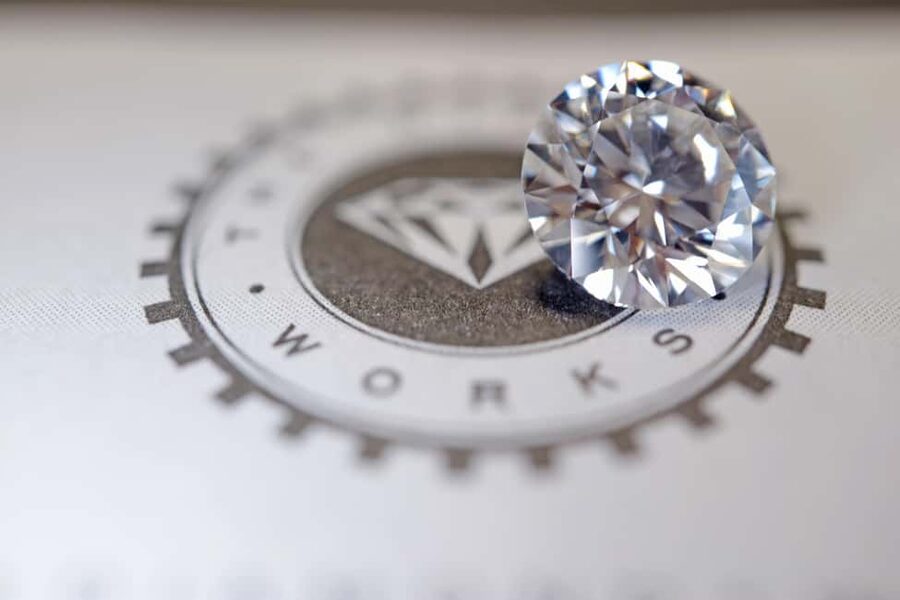
Yes, I think you should book it if you are nearby and want an informative activity that does not add to your admission budget. The clear explanations, friendly staff, working craft areas, and unusual VR history segment give it more substance than a quick showroom stop.
Go with realistic expectations. This is not a large national museum, a mine visit, or a full account of every issue surrounding diamond mining. It is a guided introduction to diamonds, Tanzanite, goldsmithing, and jewelry design inside a working institute.
If your schedule allows only one Cape Town attraction, choose something with a broader cultural or historic scope. If you have a free hour or are curious about how jewelry is made, this tour is an easy yes. Bring your questions, allow time for the VR and photo sections, and remember that the free entry covers the tour only, not food, parking, or a custom jewelry order.
FAQ
How much does the Sparkling Tour cost?
The tour is listed at $0 per person. Food, parking, and any jewelry purchase are not included.
What is included in the tour?
The Sparkling Tour and a welcome drink of sparkling wine or juice are included.
Where does the tour begin?
It begins at The Diamond Works Institute next to the Rockefeller Hotel in Cape Town. Artwork on the outside wall helps identify the location.
Where does the activity finish?
The tour ends back at the meeting point where it began.
Which languages are available?
The experience is available in Afrikaans, Turkish, French, German, and English.
Can I cancel my booking?
You can cancel up to 24 hours in advance for a full refund. You can also reserve and pay later, so no payment is required at the time of booking.
Just added around Cape Town
- Lion’s Head Hike: Cape Town – Sunrise or Sunset Hike★ 5.0 · 29 reviews
- Lion’s Head Sunrise or Sunset Hike + Hotel Pick-Up★ 5.0 · 24 reviews
- Lion’s Head: Hike with a registered hiking guide★ 5.0 · 3 reviews
- Kruger National Park 3 Days Best Ever Safari from Cape Town★ 4.1 · 11 reviews
- Koeksister and Samoosa Class by the Malay Cook Up★ 4.8 · 9 reviews
- Kirstenbosch Garden, Bo-Kaap-Penguins & Cape Peninsula Tour★ 3.9 · 7 reviews
- Khayelitsha: 3-Hour Township Walking Tour★ 5.0 · 6 reviews
- Cape Town: Constantia Half-Day Wine Tour & Tastings★ 4.9 · 15 reviews
Tours, compared.

Wine Tour: Paarl, Franschhoek & Stellenbosch incl 3 wineries
Read our review →
Cape of Good Hope & Penguins Day Tour with Pickup
Read our review →
Table Mountain Cable Car, Hop-On Hop-Off Bus Tour
Read our review →
Cape Point and Boulder’s Penguins Full Day Tour
Read our review →

Cape of Good Hope & Boulder Penguins Full-Day Tour from Cape Town
Read our review →