
Reviewed · SCUBA DIVING
Cape Town: Shark Science SCUBA Diving Experience
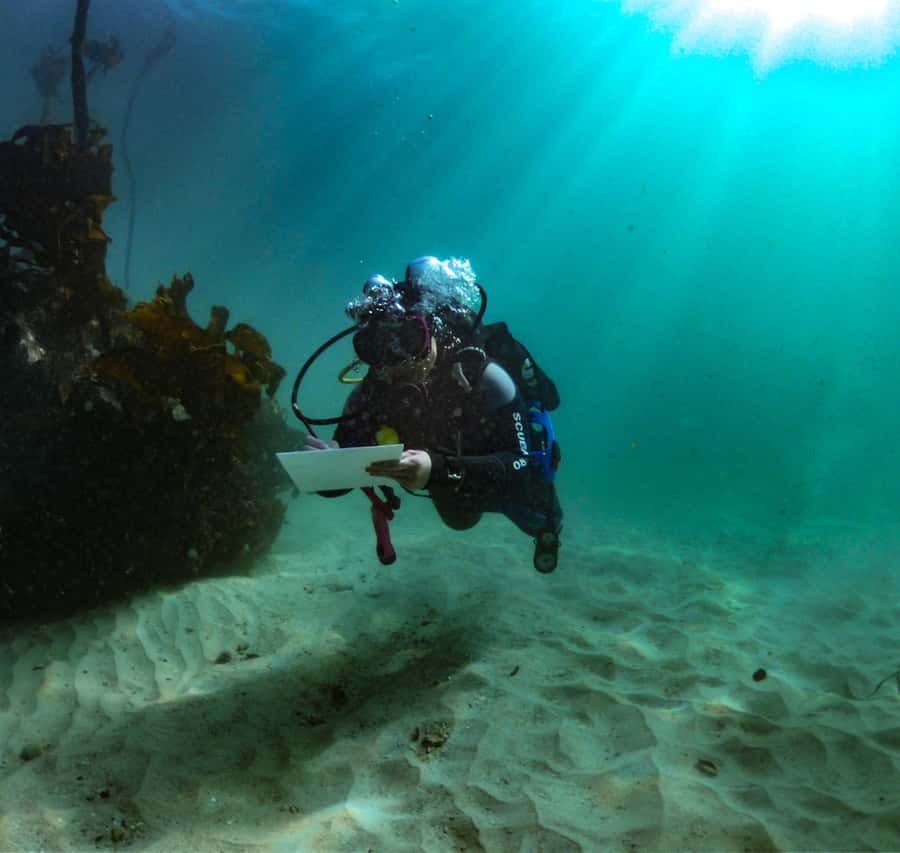
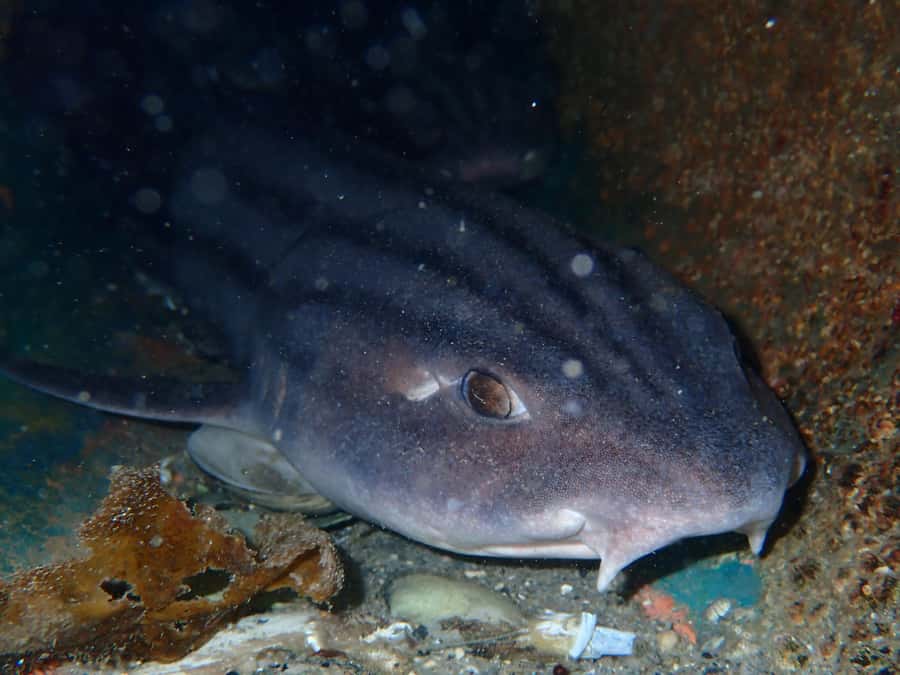
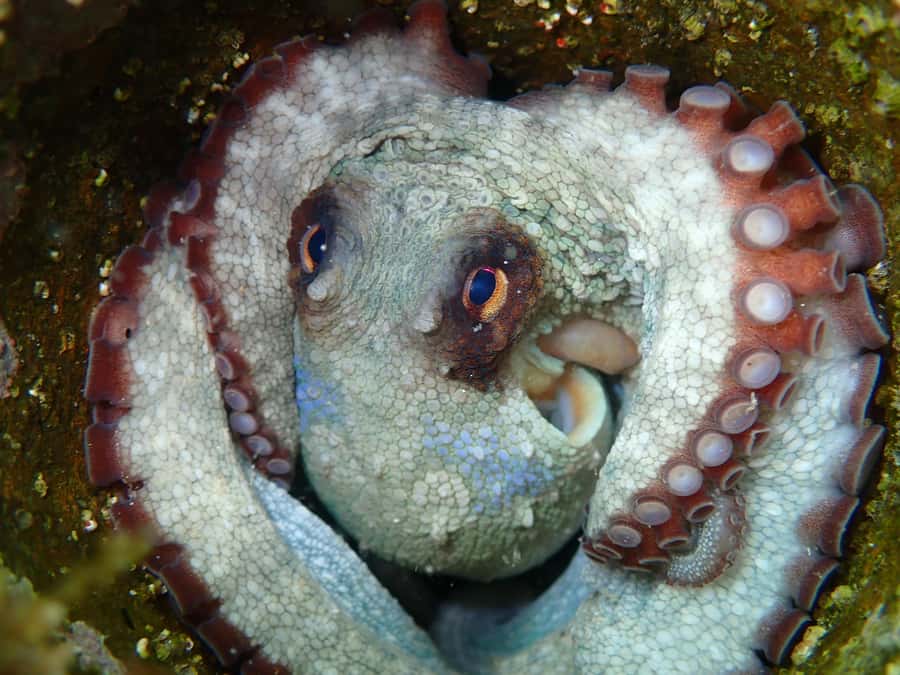
Simon’s Town’s kelp forests are the real star here. With Cape RADD marine biologists beside you, you’ll search for shy puffadder sharks, striped pyjama sharks, rays, octopus, and fish while helping record useful conservation data. I like the hands-on science and the chance to photograph shark markings for Fin Spotter. I also like the small group limit of 10, which gives the guide room to explain what you’re seeing.
The main catch is that this is a shore-entry SCUBA experience, not a simple wildlife cruise. You must already hold an open-water SCUBA qualification, be a swimmer, and be comfortable in kelp. One recent participant praised Mark’s careful buddy check and personal attention, while another had trouble receiving promised photos and activity details afterward.
Key points to know before you book
- Shark science, not a guaranteed shark encounter: You search for puffadder sharks, pyjama sharks, rays, fish, and octopus, but wildlife sightings cannot be promised.
- Real citizen science: You may photograph shark patterns for Fin Spotter or record fish numbers on an underwater slate.
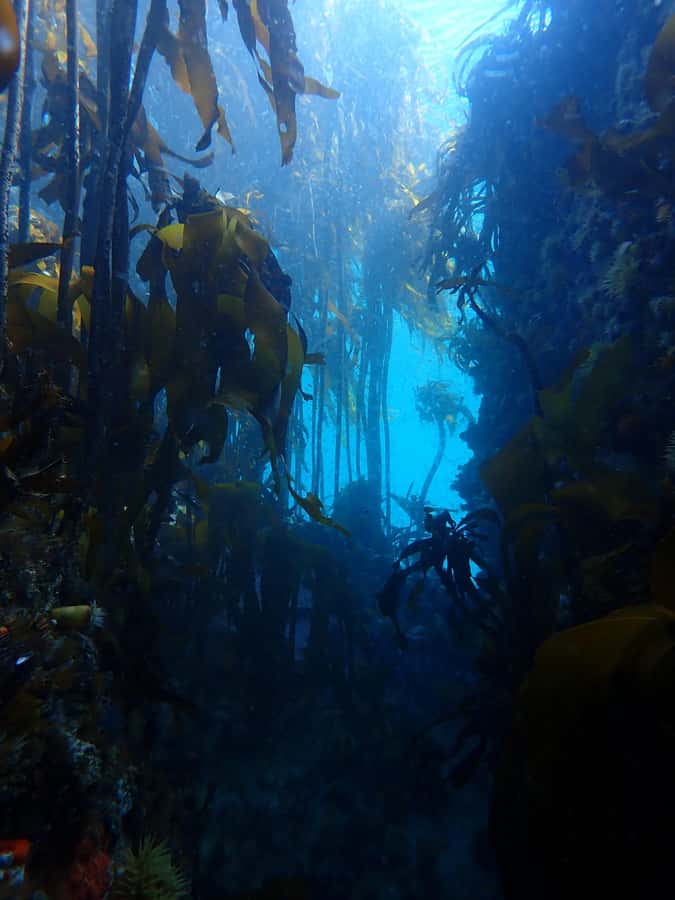
- A kelp forest setting: Most of the water time takes place near Simon’s Town among South Africa’s sea bamboo kelp.
- A short morning program: Meet around 9:30 a.m. and usually finish around 12:30 to 1 p.m., leaving your afternoon free.
- Small-group format: No more than 10 people join, and a one-person booking may receive especially close instruction.
- Certification is essential: All diving equipment is included, but your open-water SCUBA qualification is not.
What this Simon’s Town experience is really about
This is not a theatrical shark encounter built around feeding animals or getting as close as possible. It is a guided marine science session in False Bay, with the possibility of seeing local wildlife while you help gather information about it.
I like that distinction. The activity asks you to pay attention to patterns, numbers, habitat, and behavior. You are not simply passing through the kelp forest. You may help document the markings on a shark, count fish, or record what appears at a chosen site.
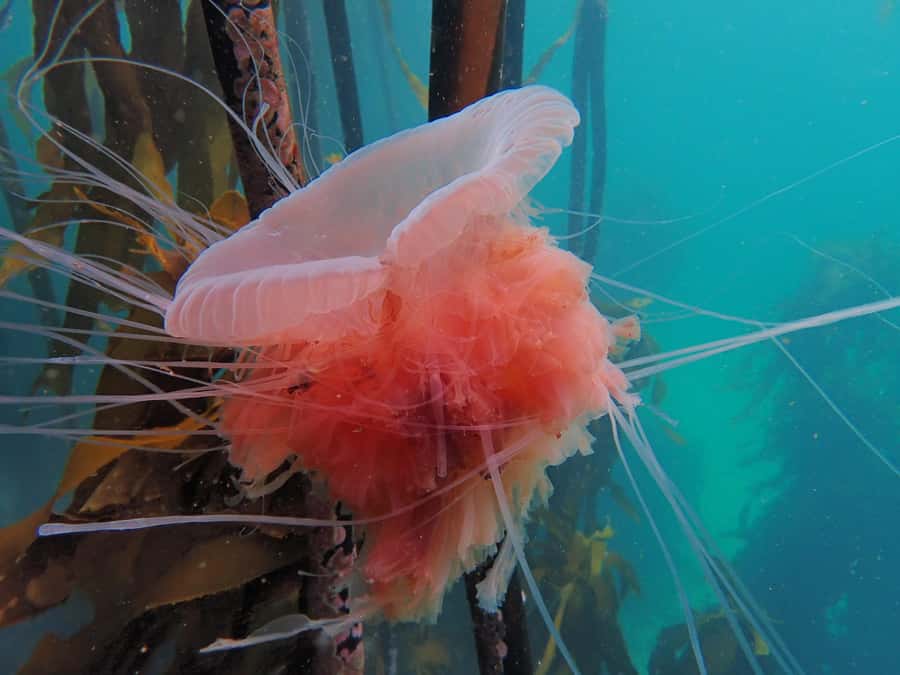
The setting is the Great African Sea Forest, the broad kelp ecosystem along South Africa’s coast. Your guide introduces this environment before you enter the water, explaining why kelp matters and how the local marine community fits together. The briefing gives the underwater portion more purpose, especially if you are curious about conservation rather than interested only in taking photographs.
Still, you should set your expectations carefully. Sharks are a possibility, not a promise. The animals named for this experience are naturally elusive, and the conditions in False Bay can affect visibility and wildlife activity.
A few more Cape Town trips to weigh up
- Shark Cage Diving and Viewing with transport from Cape Town
★ 4.5 · 576 reviews - Cape Town: Gansbaai Eco-Friendly Shark Cage Diving Cruise
★ 4.6 · 326 reviews - CapeTown: Shark Cage Diving Experience with Scuba
★ 4.5 · 146 reviews
Meeting at False Bay Yacht Club
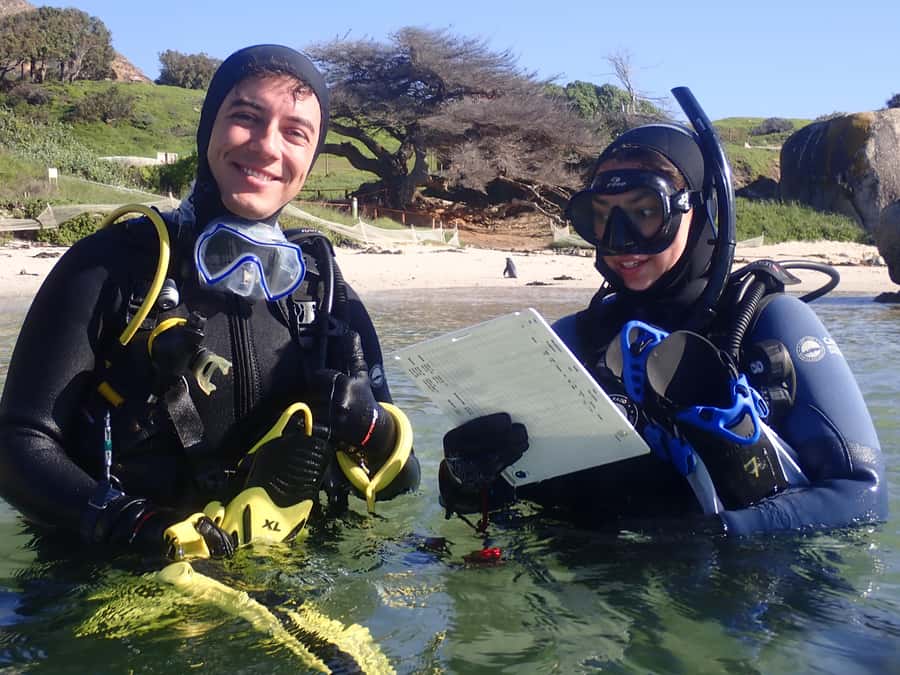
The meeting point is in the parking lot of the False Bay Yacht Club, under the Seven Seas Club building at 117 St George’s Street in Simon’s Town. You need to arrange your own way there, since transport is not included.
The program begins at about 9:30 a.m. Allow enough time to find the building and get settled before the safety talk. Your email address or phone number must be current, since Cape RADD uses those details to communicate meeting information or changes.
This location works well for a morning outing because the activity generally ends before lunch. You can plan a meal afterward in the Simon’s Town area, but bring water and a snack for the morning itself. A hat, swimwear, towel, sunscreen, and drinking water are sensible items to pack.
The 20-minute safety and science briefing
The first formal step is a safety briefing lasting about 20 minutes. This is more than a quick reminder about equipment. You receive an introduction to False Bay, the kelp forest, and the day’s shark science objective.
A cup of tea or coffee is provided, which is a small but welcome touch before getting into wetsuits and preparing for a shore entry. The guide also explains the planned data work, so you know what to watch for once you are in the water.
That preparation matters. Kelp forests can feel busy and confusing at first, with long fronds moving around you and marine life blending into the surroundings. A clear briefing helps you understand what counts as useful information and how to behave around the habitat.
You are instructed not to touch marine life or plants. That rule protects both you and the ecosystem. It also keeps the session focused on observation rather than handling animals for a better photograph.
Entering the kelp forest near Simon’s Town
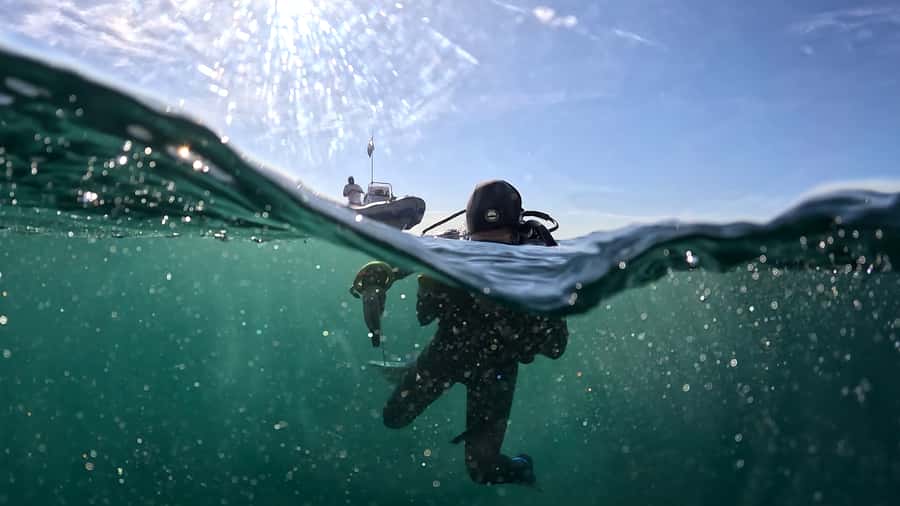
The water portion is described as a guided shore-entry SCUBA excursion through predetermined sites near Simon’s Town. The schedule also labels this part as snorkeling, so I would confirm the exact water format with Cape RADD before booking if the distinction matters to you. The included equipment and certification requirement clearly indicate that the main experience is intended for qualified SCUBA participants.
Once in the water, you search through the kelp for small sharks, rays, sea breams, octopus, and other fish. The sea bamboo kelp moves with the water, creating a living environment rather than a bare viewing area. You may also have the chance to see penguins and sea otters at the site.
The wildlife list is appealing, but it is important to understand the style of encounter. You are looking for animals in their natural setting, not visiting an enclosure with a fixed viewing schedule. Patience and careful scanning may matter more than speed.
The shore-entry format is also worth considering physically. You need to manage the entry and exit from the coast, carry or wear your gear as instructed, and feel comfortable in the water. This is not suitable for non-swimmers, wheelchair users, or people with back or heart problems.
Same country, a completely different kind of day:
- Wine Tour: Paarl, Franschhoek & Stellenbosch incl 3 wineries
★ 5.0 · 3,940 reviews - Cape Town: Hop-On Hop-Off Bus Tour with Optional Cruise
★ 4.8 · 3,929 reviews - Cape Town: Cape of Good Hope & Penguins Day Tour with Pickup
★ 4.7 · 3,362 reviews - Zipline Cape Town – From Foot of Table Mountain Reserve
★ 5.0 · 3,179 reviews
How the shark data works
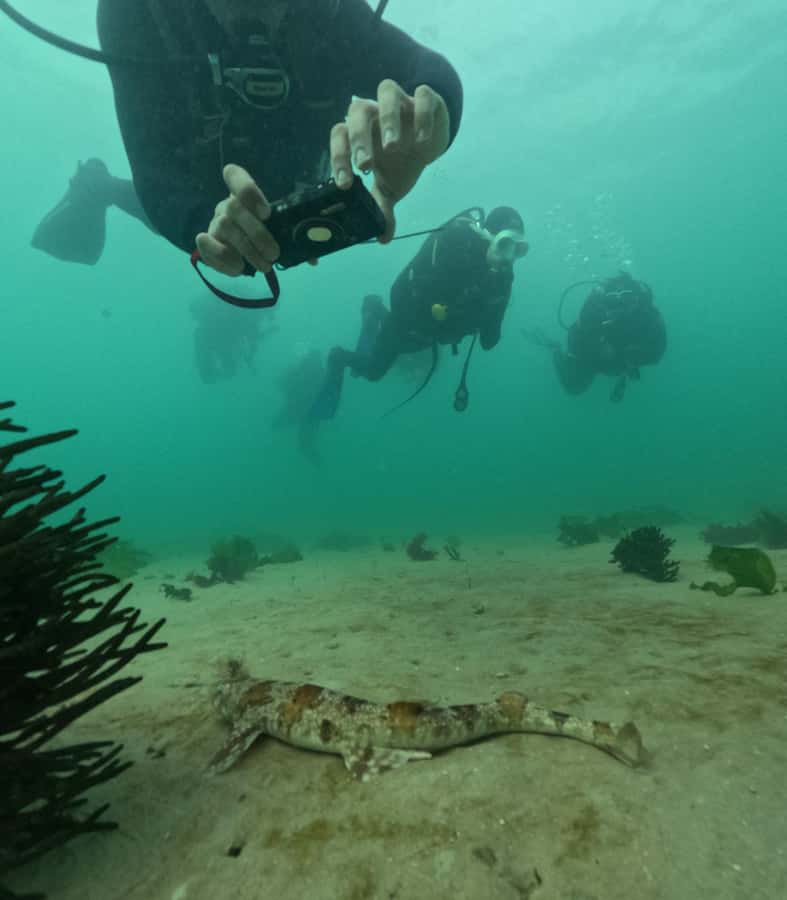
One of the most unusual parts of the experience is the chance to photograph shark patterns and submit the images to Fin Spotter. Those markings can help researchers estimate population size and track movement patterns.
This gives your camera work a practical purpose. Instead of taking a random wildlife snapshot, you are trying to capture useful identifying patterns. The guide can help you understand what to look for and how the image may support the larger record.
You may also collect fish abundance data with an underwater slate. This means noting the number or presence of fish species at the site, rather than simply naming the most colorful animal you see.
The amount of data you gather will depend on conditions, wildlife, and your group’s pace. If you are new to citizen science, you will want to listen closely during the briefing and ask questions before entering the water. The work should not make the session feel like an exam, but it does require attention.
Warm drinks, equipment rinsing, and logging the results
After returning to Cape RADD headquarters, you can rinse your equipment and yourself with a heated outdoor shower. A warm drink gives you time to settle down after the cold water and compare notes with the guide and other participants.
The group then enters the collected information into a database. This closing step is easy to overlook, but I consider it important. It shows you where the observations go and links your morning in the kelp forest to longer-term conservation work.
The full program lasts about three to 3.5 hours. A typical finish is around 12:30 to 1 p.m., so you can continue with lunch and other Simon’s Town plans. The morning length is a good fit if you want a focused marine activity without giving up the whole day.
The value of the $178 price
At $178 per person, this costs more than a basic guided snorkeling session. The price includes a marine biologist-led outing, a False Bay ecosystem briefing, the opportunity to collect research data, and all diving equipment.
I think the value depends on what you want from the morning. If your main goal is a guaranteed close look at a shark, the price may feel high because sightings are not assured. If you want a small-group marine activity with a conservation purpose, the cost is easier to justify.
You are paying for more than water time. The experience includes planning, safety supervision, specialist interpretation, equipment, data collection, and follow-up at the database. You also avoid arranging tanks and gear separately.
The small group limit of 10 helps support the price. In one case, a participant was the only person booked and received one-to-one attention. That can be a real advantage for a less confident qualified SCUBA participant, though group size can change from one date to another.
One practical caution: equipment is included, but certification is not. You need to arrive already qualified for open-water SCUBA, and no lunch or transport is covered.
The guide’s role and the standard of care
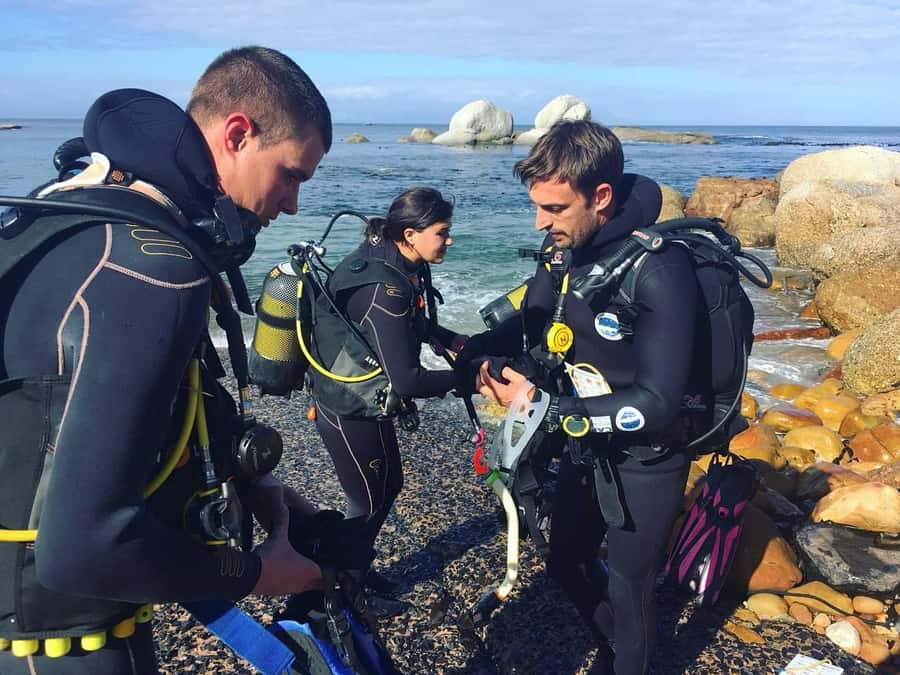
The guide makes a large difference here because the activity combines safety, wildlife interpretation, and research technique. Mark received especially positive mention for taking care with the buddy check and answering questions. That equipment check is exactly the kind of routine you want before a shore-entry session.
A careful buddy check also sets the tone. It gives you a chance to confirm that your equipment is working and that you understand how to stay together. You should use this moment to raise any concerns about fit, comfort, or the planned route.
The group works in English. If you need clear instructions about equipment or data collection, make sure you are comfortable following an English briefing.
Communication after the activity is one area where you should keep expectations modest. One participant was promised photos by email and did not receive them after several follow-up messages. I would treat any personal photo delivery as an extra, not a guaranteed part of the experience, unless Cape RADD confirms it directly.
Who will enjoy this most
I would choose this for a qualified open-water SCUBA participant who likes marine biology and wants a purposeful morning in False Bay. You do not need to be a professional photographer or scientist, but you should be willing to observe carefully and follow instructions.
It also suits someone who has already seen standard coastal attractions and wants a closer look at the local ecosystem. The kelp forest, shark identification work, and fish counts give the outing a clear sense of place.
This is less suitable if you want a relaxed, passive wildlife trip. The shore entry, equipment, cold-water setting, and citizen science tasks demand some effort. You also need to be a swimmer and have no listed back or heart condition that would make the activity unsafe.
Children under 10 cannot join. Wheelchair users and non-swimmers are also excluded, and the activity is not intended for anyone without SCUBA certification.
What to bring and what to clarify
Pack swimwear, a towel, sunscreen, a hat, water, and snacks. You will have access to a heated outdoor shower afterward, but warm clothing for the period after getting out of the water is also a sensible choice.
Do not smoke during the activity, and do not touch plants or marine life. These are straightforward rules, but they matter in a protected and working research environment.
Before paying, I would confirm three points:
- The exact water format, since the detailed description refers to a shore-entry SCUBA session while the short schedule uses snorkeling.
- How shark photographs are submitted and whether personal photos will be sent afterward.
- The meeting details and start time for your chosen date.
The cancellation policy allows a full refund if you cancel at least 24 hours ahead. You can also reserve and pay later, which helps if your Cape Town plans are still changing.
Should you book the Cape RADD shark science experience?
Book it if you hold an open-water SCUBA qualification, enjoy learning how marine research is done, and can accept that wildlife sightings are uncertain. The strongest reasons to go are the access to Simon’s Town’s kelp forest, the chance to help record real marine data, and the careful personal attention that a small group can provide.
Think twice if you want a guaranteed shark sighting, a polished photo package, or a completely effortless water excursion. The reported communication problem over promised photos is worth keeping in mind, and the mixed wording about snorkeling and SCUBA should be cleared up before you commit.
For the right person, this is a thoughtful morning in False Bay rather than a simple animal-spotting trip. You come away with a better understanding of the kelp ecosystem and, if conditions cooperate, a useful role in documenting the animals that live there.
FAQ
Where does the experience meet?
Meet in the parking lot of the False Bay Yacht Club, under the Seven Seas Club building at 117 St George’s Street in Simon’s Town.
What time does the activity start?
The meeting time is about 9:30 a.m. Starting times can vary, so check availability for your chosen date.
How long does the experience last?
The program lasts about three to 3.5 hours and usually finishes around 12:30 to 1 p.m.
Do I need a SCUBA qualification?
Yes. You must be a qualified open-water SCUBA diver. The activity is not suitable for people without certification.
Is diving equipment included?
Yes. All diving gear is included in the price.
What animals might I see?
You may search for puffadder sharks, pyjama sharks, stingrays, sea breams, octopus, and other fish. Penguins and sea otters may also be seen at the site.
Will I definitely see sharks?
No. Sharks are a possible sighting, but the experience does not guarantee that you will see them.
Can I help with marine research?
Yes. You may photograph shark patterns for submission to Fin Spotter or collect fish abundance information on an underwater data slate.
Is transport included?
No. You need to make your own way to the meeting point.
What should I bring?
Bring a hat, swimwear, towel, snacks, sunscreen, and water. A valid email address or phone number is also required for activity communication.
Just added around Cape Town
- Lion’s Head Hike: Cape Town – Sunrise or Sunset Hike★ 5.0 · 29 reviews
- Lion’s Head Sunrise or Sunset Hike + Hotel Pick-Up★ 5.0 · 24 reviews
- Lion’s Head: Hike with a registered hiking guide★ 5.0 · 3 reviews
- Kruger National Park 3 Days Best Ever Safari from Cape Town★ 4.1 · 11 reviews
- Koeksister and Samoosa Class by the Malay Cook Up★ 4.8 · 9 reviews
- Kirstenbosch Garden, Bo-Kaap-Penguins & Cape Peninsula Tour★ 3.9 · 7 reviews
- Khayelitsha: 3-Hour Township Walking Tour★ 5.0 · 6 reviews
- Cape Town: Constantia Half-Day Wine Tour & Tastings★ 4.9 · 15 reviews
Scuba Diving, compared.
From Hermanus or Cape Town: Shark Cage Diving Experience
Read our review →
Shark Cage Diving and Viewing with transport from Cape Town
Read our review →
Gansbaai Eco-Friendly Shark Cage Diving Cruise
Read our review →
Half-Day White Shark Cage Diving from Gansbaai
Read our review →
Shark Cage Diving – Adventure Meets Conservation!
Read our review →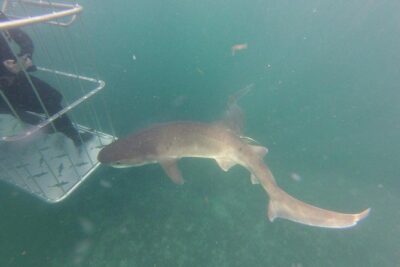
CapeTown: Shark Cage Diving Experience with Scuba
Read our review →
Browse the lists this tour appears in