
Reviewed · GARDEN ROUTE TOURS
The Original Knysna Township Tour
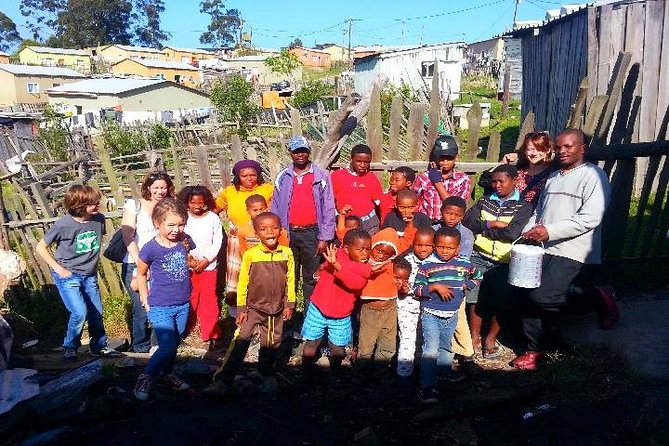
The most valuable part of The Original Knysna Township Tour is its direct contact with daily township life. You walk dirt roads with a local guide, meet Ama Xhosa residents, and hear about customs, language, faith, work, and the social pressures that shape the community. This is not a quick drive-by look from a minivan window.
I like the small, private format, which gives you room to ask questions instead of following a large crowd. I also like the mix of stops: a Sangoma, a crèche, local shops, the Sanlam Center, and a taste of vetkoek. The main consideration is that this is a walking tour through a working community, not a polished cultural show, so you should dress for weather, accept that plans may vary, and always ask before photographing people.
Key points at a glance
- Meet Ama Xhosa residents: Learn about Xhosa traditions, language, clothing, beliefs, and everyday life from a local guide and community members.
- Visit a Sangoma: You may hear about traditional healing and possibly sample herbal remedies or Xhosa beer.
- See a local crèche: Children may sing for you, and visitors are welcome to bring educational items.
- Taste township food: Vetkoek is included as a tasting, while a traditional Xhosa lunch must be booked ahead and paid for after the meal.
- Travel in a small private group: Transport is provided by car or minibus, and only your group participates.
- Allow two and a half hours: The tour starts at 10:00 am from 44 Main Road in Knysna and returns there.
Why this Knysna tour offers more than sightseeing
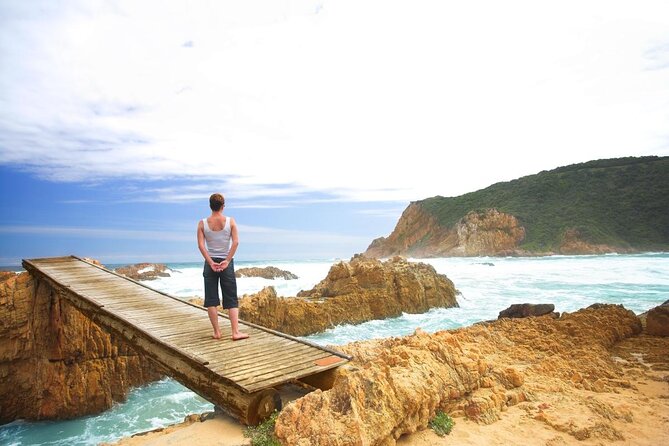
Knysna is often associated with forests, lagoons, beaches, and the scenic Garden Route. Those sights are worthwhile, but they do not tell you much about how many local people live, work, worship, raise children, and preserve culture. This tour shifts your attention from scenery to people.
Your guide leads you along township roads and explains the social and economic challenges faced by residents. The point is not to turn hardship into entertainment. It is to give you context, introduce you to people who live there, and help you understand a part of Knysna that you would be unlikely to see by wandering around alone.
I appreciate that the experience is led by someone local. A guide can explain when a custom is appropriate, translate questions, and help keep encounters respectful. You are not left to guess what you are seeing or treat the township as a photo backdrop.
The tone is educational and personal. You will hear about Ama Xhosa traditions, religion, beliefs, language, dress, and history, while also seeing ordinary places such as shops and a children’s center. That combination matters. Culture is not confined to a performance or museum display. It is part of daily life.
More Garden Route Tours in Knysna:
- Knysna: 75-Minute Lagoon Boat Cruise
★ 4.5 · 445 reviews - Knysna: Sunset Lagoon Cruise
★ 4.5 · 217 reviews - Knysna: Close Encounter Whale Watching Tour by Boat
★ 4.6 · 207 reviews
Starting at 10:00 am on Main Road
The meeting point is 44 Main Road in Knysna, with the activity beginning at 10:00 am. The tour ends back at the same location, which makes it easy to fit into a day of sightseeing or a wider Garden Route schedule.
Transport is provided in a car or minibus. You will not need to arrange a separate taxi to the township, and the short ride gives the guide a chance to set the scene before the walking portion begins. The vehicle is especially useful if you are carrying a camera, shopping bag, or educational supplies for the crèche.
If you drive, free parking is available across the street at the underground parking area at Knysna Mall. Public transport is also nearby. Your booking confirmation arrives at the time of booking, so you can organize the morning without much fuss.
The tour lasts about two hours and thirty minutes. That is long enough for several stops and conversation, but short enough to leave your afternoon open. You should still wear comfortable clothes and walking shoes. A hat is sensible, and the tour operates in all weather, so bring protection from sun or rain as needed.
Walking the township with a local guide
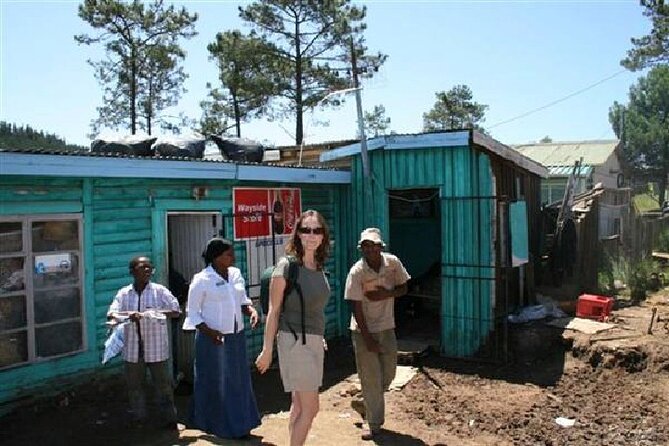
The walking section is the heart of the experience. You follow dirt roads and see the township at street level, where homes, small businesses, community spaces, and children’s facilities sit alongside one another.
A good guide does more than point out buildings. You can ask how the area developed, what daily routines look like, and how residents maintain their identity while dealing with economic pressures. The supplied information does not name the individual guide, but it does make clear that the guide provides leadership, answers questions, and offers in-depth commentary.
That personal explanation is one of the tour’s strongest features. One guest described the guide as professional and particularly good at answering questions about life in South Africa. I would make use of that opportunity. Ask about language, religion, family customs, work, and the differences between township life and the parts of Knysna most tourists see.
The roads may be dusty or uneven. This is not a problem if you are prepared, but it is worth knowing before you book. Comfortable shoes matter more than smart clothes, and you should expect a practical walk rather than a gentle stroll on a paved promenade.
Meeting the Ama Xhosa community

The tour introduces you to members of the Ama Xhosa tribe and explains customs, dress, language, traditions, and beliefs. That direct contact can make cultural information easier to understand because you can connect it to real people and real places.
You may find the experience especially useful if this is your first visit to South Africa or your first time learning about Xhosa culture. The guide can help explain details that are easy to miss on your own, including the meaning of religious practices, traditional remedies, or clothing.
At the same time, you should approach these meetings with humility. Ask before taking photographs, even though photography is generally allowed when people do not object. A person who welcomes conversation may not want a camera pointed at them. Follow your guide’s lead, keep your questions polite, and remember that you are visiting someone’s community.
This is also a chance to hear a language you may not encounter during ordinary sightseeing. Even a short introduction to Xhosa words and pronunciation can make the visit more memorable. Do not worry about getting every sound right. Curiosity and respect matter more than performance.
Same country, a completely different kind of day:
- Knysna Boat Cruise aboard Coquette
★ 5.0 · 152 reviews - Knysna: Downhill Forest Scootour Adventure
★ 4.8 · 136 reviews - Knysna: Wine & Oyster Luxury Lounger Sunset Cruise
★ 4.7 · 133 reviews - Knysna: Luxury Sunset Cruise with Captain’s Barbeque
★ 4.8 · 114 reviews
Visiting a Sangoma and learning about traditional healing
A visit with a Sangoma adds an unusual and meaningful stop. The Sangoma is a traditional healer, and you may learn how herbal remedies and traditional beliefs fit into community life. Depending on the day and the people you meet, you may also sample Xhosa beer or herbal remedies.
The wording matters here: sampling is possible, not guaranteed. I would treat this as an opportunity to listen rather than as a tasting session. Traditional healing carries cultural and spiritual meaning, so the value comes from understanding its place in the community, not simply trying something unfamiliar.
If you have dietary, medical, or alcohol-related concerns, ask what is being offered before accepting it. The supplied details do not provide ingredient lists or medical guidance, so you should use your own judgment. The guide can explain what you are being shown, but this is not a substitute for professional medical advice.
For many people, this stop will be one of the most memorable because it presents a form of knowledge that is very different from a standard Western clinic. It also shows that local culture is not just clothing, music, or food. It includes beliefs about health, family, nature, and the unseen world.
The crèche, children, and a chance to give thoughtfully
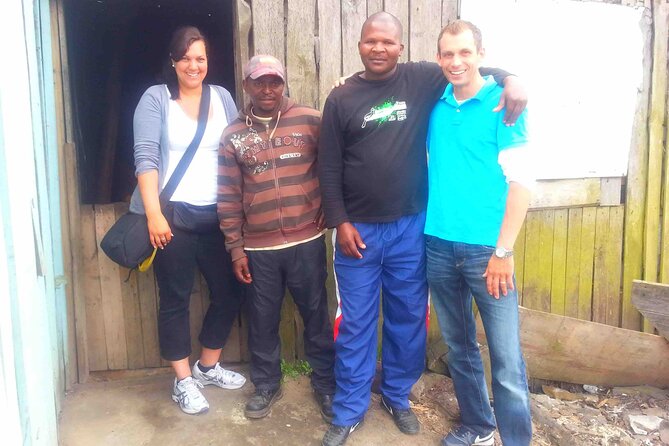
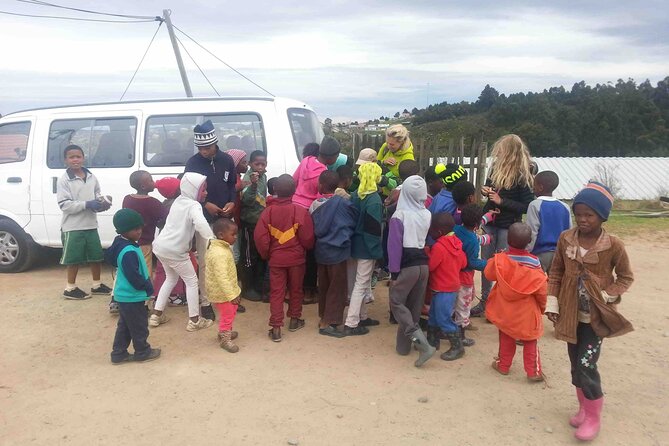
The visit to a crèche, or children’s center, brings the tour into a community setting where young children learn and spend time together. The children may sing for you, which can be a touching moment, but you should keep your response warm and respectful rather than treating it like a staged concert.
You are welcome to bring educational goodies for the preschool. This is a thoughtful option if you already have suitable supplies, but do not feel that you must arrive with gifts. The tour does not require them, and the focus should remain on meeting people rather than handing out items.
If you choose to bring something, practical educational materials are the sensible choice. The information provided does not specify what the center needs, so ask the tour operator if you want to prepare in advance. Avoid giving sweets or personal items directly to children unless the guide or center staff approves.
This stop can help you see the township through more than one lens. You are not only hearing about economic challenges. You are also seeing a place where children learn, sing, and interact. That balance keeps the visit from reducing the community to its difficulties.
Local shops, Sanlam Center, and vetkoek
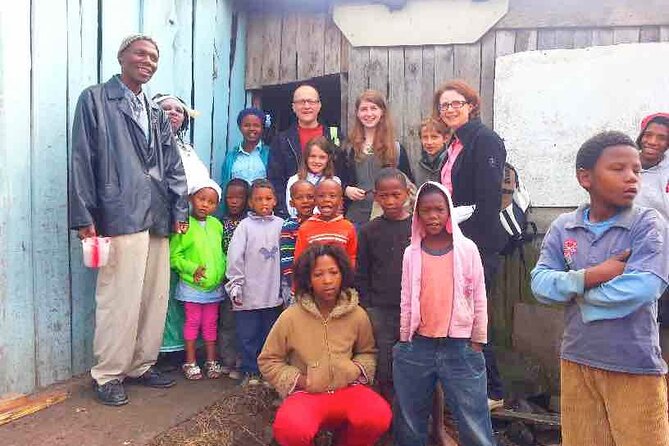
The itinerary includes time at local shops and the Sanlam Center. These stops give you a look at the practical side of township life, including where people shop, meet, and handle everyday errands.
Do not expect a large tourist market with rows of souvenirs. The attraction is the ordinary setting. Your guide can explain what the shops sell and how these local businesses serve residents. If you want to buy something, ask before taking pictures or handling goods, and remember that even a small purchase can support a local business.
The food stop features vetkoek, a traditional fried bread snack. It is simple, filling, and a useful introduction to local food rather than a formal restaurant meal. The information does not specify the filling or preparation, so ask your guide if you have allergies or dietary restrictions.
You can also prebook a traditional Xhosa lunch. Lunch is not included in the tour price, and you pay after the meal. Since this is an optional addition that requires advance planning, decide before the tour if you want the fuller food experience. The standard two-and-a-half-hour outing should not be confused with a package that includes lunch.
What the $43.10 price buys you
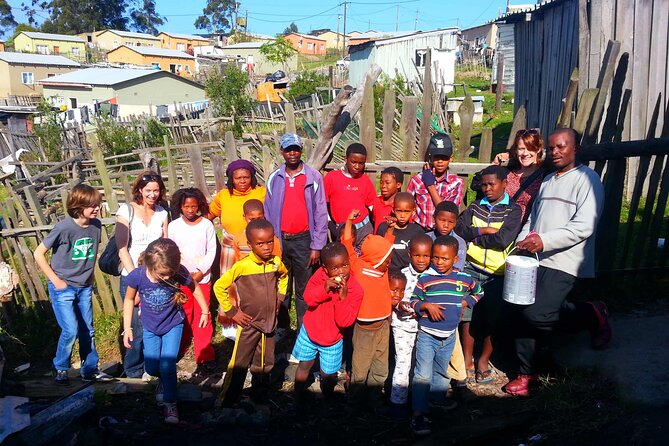
At $43.10 per person, the price is reasonable if you value local guidance, transport, and access to community encounters that would be difficult to arrange independently. You are paying for a two-and-a-half-hour private experience, a local guide, transport by car or minibus, and several stops with cultural and social context.
The value is not in the number of monuments or attractions. There is no major admission ticket here. Instead, you are paying for interpretation, introductions, and the chance to ask questions in a setting where going alone may leave you unsure of local customs.
The private format improves that value. Only your group takes part, and the group size is described as 15 people or fewer. A smaller party gives you more time to speak with the guide and makes it easier to hear during street-side conversations. If you are traveling as a family or a group of friends, the private arrangement may feel more comfortable than joining a large coach outing.
The price does not include lunch. If you want the traditional Xhosa meal, prebook it and budget separately. You also need to cover any personal purchases at local shops, though none are required.
Practical manners for a respectful visit
A township tour works best when you arrive ready to meet people, not simply collect photographs. Ask permission before photographing anyone, especially children. Photography is allowed unless people object, but you should treat that as a rule requiring active awareness, not automatic permission.
Wear clothes that are comfortable and suitable for walking. Walking shoes, a hat, and weather protection are more useful than dressy outfits. The tour operates in all weather, although poor conditions can lead to cancellation or a change of date.
You can bring educational items for the crèche if you wish. Keep the gesture modest and coordinated with the guide or center. The most valuable contribution may simply be your attention, your questions, and your willingness to listen without comparing every custom to your own.
This is also not the right tour if you want a tightly scripted attraction with guaranteed samples at every stop. The Sangoma visit, Xhosa beer, herbal remedies, and children’s songs are described as possibilities. Community-based experiences depend on the people and circumstances of the day.
Who will get the most from this experience
I would recommend this tour to anyone who wants social and cultural context alongside Knysna’s natural attractions. It suits first-time visitors to South Africa, people interested in Xhosa culture, and anyone who prefers meeting local residents to ticking off another viewpoint.
It is also a good choice for families and small groups. Most people can participate, and the private setup lets the guide adjust the conversation to your interests. Families should prepare children to ask permission before taking photos and to behave calmly at the crèche.
You should think twice if you dislike walking on dirt roads, want a luxury vehicle experience, or prefer attractions with fixed schedules and guaranteed performances. The tour is accessible to most participants according to the supplied information, but no detailed mobility information is provided. If you have specific accessibility needs, ask before booking.
The tour has an average rating of 4.8 from six published ratings, with particular praise for helping people understand how a township operates and for the guide’s professional answers. That feedback points to the experience’s real strength: explanation and human contact, not spectacle.
Booking, weather, and cancellation details
The tour begins at 10:00 am and returns to 44 Main Road. It is booked, on average, 54 days ahead, so I would reserve early if your Knysna dates are fixed. You receive confirmation when you book, and the experience uses a mobile ticket.
Free cancellation is available until 24 hours before the start time. A cancellation made less than 24 hours ahead is not refunded, and changes inside that window are not accepted. The cut-off follows local time.
The experience requires good weather and a minimum number of participants. If bad weather or insufficient bookings causes cancellation, you are offered another date or experience, or a full refund. That policy is fair, but keep some flexibility in your schedule if this tour is important to you.
Should you book The Original Knysna Township Tour?
Book it if you want to understand Knysna through its people and communities, not only through its scenery. The Sangoma visit, crèche, Ama Xhosa encounters, local shops, and vetkoek tasting give the morning a varied shape, while the local guide supplies the context that makes each stop worthwhile.
I would not book it expecting a staged cultural performance or a luxury sightseeing ride. Come prepared to walk on dirt roads, listen carefully, ask permission for photos, and accept that some parts of the visit may depend on the day.
For $43.10, the combination of private transport, a local guide, and direct community contact is a solid value. If you want a respectful introduction to township life and Xhosa culture, this is one of the more useful ways to spend a morning in Knysna.
FAQ
Where does the tour start?
The tour starts at 44 Main Road, Knysna, South Africa, at 10:00 am.
Where does the tour end?
The tour ends back at the original meeting point on 44 Main Road.
How long does the tour last?
The experience lasts approximately two hours and thirty minutes.
Is transportation included?
Yes. Transport by car or minibus is included, along with a local guide.
Is this a private tour?
Yes. Only your group participates. The tour is also described as suitable for groups of 15 people or fewer.
Is lunch included?
No. A traditional Xhosa lunch can be prebooked, but it is paid for after the meal and is not included in the tour price.
What should I wear?
Wear comfortable clothes and walking shoes. A hat is recommended, and you should dress appropriately for the weather because the tour operates in all weather conditions.
Can I take photographs?
Photography is allowed unless people object on the street. Ask permission before photographing individuals, especially children.
Can I cancel for a full refund?
Yes, if you cancel at least 24 hours before the experience start time. Cancellations made less than 24 hours ahead are not refunded. If the tour is canceled because of poor weather or because the minimum number of participants is not reached, you are offered another date or experience, or a full refund.
Just added around Knysna
- Knysna Sunset Cruise aboard Coquette★ 5.0 · 6 reviews
- Knysna Sunset Sailing Cruise, Light Dinner & Bubbly★ 5.0 · 41 reviews
- Serendipity Knysna Lagoon Cruise★ 4.5 · 19 reviews
- Knysna Day Sailing Cruise 1.5 hour★ 5.0 · 4 reviews
- Knysna Scootours★ 4.5 · 8 reviews
- Knysna Scootour★ 4.5 · 56 reviews
- Knysna Marine Life & Garden Route Coastline Experience★ 4.5 · 31 reviews
- Knysna Lagoon Boat Cruises★ 4.5 · 31 reviews
Garden Route Tours, compared.
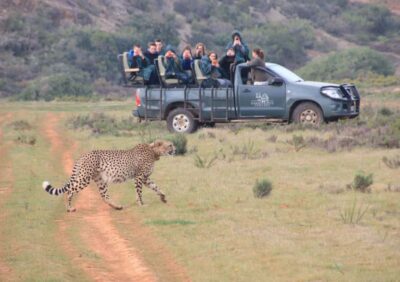

Addo Elephant National Park All Inclusive Full-Day Safari
Read our review →

Browse the lists this tour appears in