
Reviewed · FOOD & DRINK
Zulu Cultural Experience: Zulu Village + Tribal Markets + Traditional Zulu Food
The most striking part of this Durban day is its range. You move from indigenous art at Phansi Museum, to daily life in Isithumba, then into the intense, crowded world of Warwick Markets and Muthi Bridge. It is not a quick photo stop. Each place adds another piece to the story.
I like the small group, limited to six people, and the lunch stop at the village supervisor’s house. I also like the chance to meet local elders who make lime and imphepho goods. The main drawback is the packed eight-hour schedule: three very different stops can feel like a lot in one day.
Key points at a glance
- Phansi Museum begins with a dancing curator: Expect indigenous art, crafts, and an introduction with plenty of character.
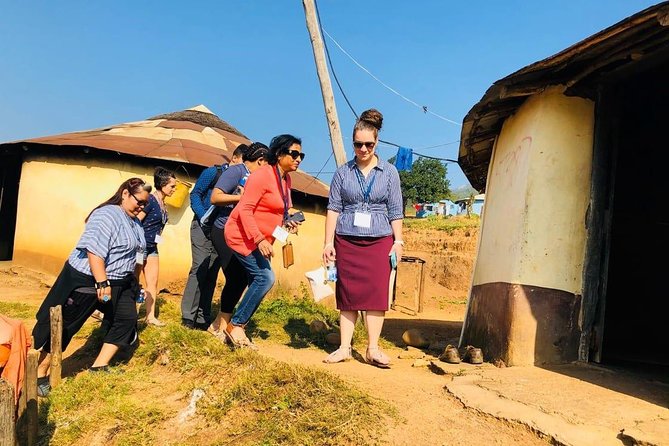
- Isithumba gives the day its human focus: A local resident leads a walk through this living Zulu village.
- Lunch takes place at the village supervisor’s house: Pan African food is part of the experience, not an afterthought.
- A chief or spiritual healer may be available: These meetings depend on the day and local circumstances.
- Warwick Markets show Durban’s working culture: Lime and imphepho Gogos demonstrate traditional goods before you visit Muthi Bridge.
- The group never exceeds six people: That matters when you are asking questions or walking through busy areas.
A full day built around Zulu culture
Wild Routes Africa’s experience costs $168 per person and runs for about eight hours, beginning at 8:00 am. Pickup is offered, and your mobile ticket keeps the morning simple.
The price is not just paying for transport between attractions. It covers a carefully linked day with admission included at all three stops, a local village visit, food, and a guide who helps explain what you are seeing. For me, the value depends on your interest. If you want a standard sightseeing bus ride, this may feel expensive. If you want access to places and conversations that are hard to arrange alone, the cost makes more sense.
The group limit of six is a real advantage. You can ask questions without shouting across a large vehicle, and a small group is less intrusive when entering a village or speaking with elders. The trade-off is that the day follows a fairly full plan, so you should arrive ready for steady movement rather than a slow, unstructured outing.
A few more Durban trips to weigh up
- Cape Town: Full-Day Winelands Tour with Wine Tastings & Food
★ 4.9 · 1,288 reviews - Hartbeespoort: 2-Hour Dam Cruise with South African Food
★ 4.4 · 621 reviews - The Cape Town Essentials Food Tour
★ 5.0 · 385 reviews
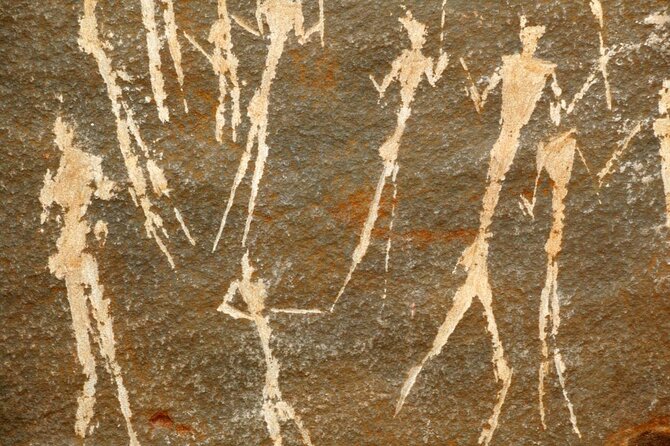
Phansi Museum starts the story with art
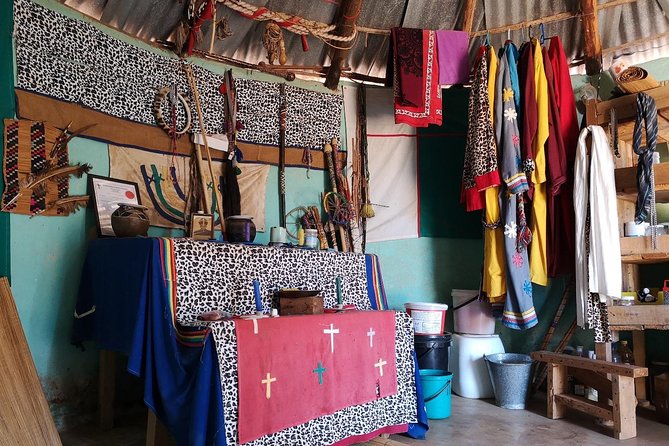
The first stop lasts about 90 minutes at Phansi Museum. This is a smart opening because it gives you visual context before you meet people and places connected with Zulu life.
The museum holds a large collection of indigenous art and crafts. Instead of simply walking past displays, you meet the museum’s dancing curator, who introduces the collection with energy and personality. That detail matters. A collection of masks, textiles, carvings, or household objects can feel distant when labels do all the talking. A lively human introduction helps you see the objects as part of living traditions.
I would pay close attention to the curator’s explanations and use this time to ask basic questions. What was an object used for? Who made it? Is it connected to ceremony, work, family life, or trade? Those questions will help you understand later stops at Isithumba and Warwick Markets.
The museum visit also includes Pan African Cuisine. The available information does not specify the exact dishes, so you should treat the meal as a chance to sample regional food rather than expect a fixed menu. If food is a major reason for booking, ask the operator ahead of time about the dishes served and any dietary needs.
Ninety minutes is long enough to get more than a rushed introduction, but not so long that the museum takes over the entire day. The possible weakness is that the stop may feel too short if you want to study every object. For most people, though, its role is to prepare you for the human encounters that follow.
Walking through Isithumba with a local resident
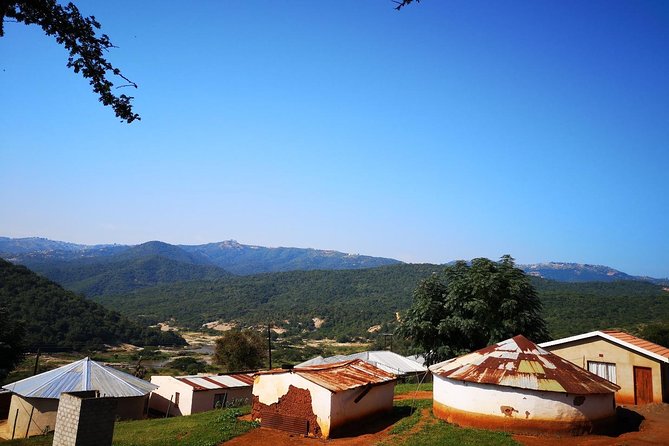
After the museum, the experience heads to Isithumba, described as a living Zulu cultural village. You spend about two hours here, with a local resident leading the visit on foot.
That local guide is important. You are not just looking at buildings from a vehicle or receiving a polished speech from someone passing through. You begin to understand how a different way of life works through a person who lives there. The walk gives you time to ask about the village, daily routines, and the meaning of what you see.
Keep your expectations sensible. This is not a theme park performance with a fixed cast and guaranteed encounters. The day may include a meeting with the village chief or a local spiritual healer, but that depends on availability and local circumstances. The uncertainty is part of the setting, yet it also means you should not book this expecting a guaranteed private audience.
The strongest part of this stop may be the conversation. A review of the experience describes a guide explaining what life was like in the village, followed by lunch at the village supervisor’s house and a question-and-answer session. That gives you a useful picture of how the visit works: explanation first, then a meal and time to talk.
Lunch in the supervisor’s home is more personal than eating at a generic restaurant. It also places food in a social setting, where the meal can lead naturally to questions about local life. Be polite, listen carefully, and let your guide explain what is appropriate before photographing people or homes.
Two hours is a good amount of time for a walk and a meal, though walking may make this portion less suitable for anyone who struggles with uneven ground or extended time on foot. The supplied details say most people can participate, but they do not provide a detailed accessibility description. If mobility is a concern, contact Wild Routes Africa before booking.
Why the village meal adds real value
Food often explains culture better than a display case. At Isithumba, the meal helps connect the ideas discussed during the walk with ordinary hospitality and family space.
The experience lists Pan African Cuisine at Phansi Museum, while the village visit includes lunch at the supervisor’s house. The details do not confirm a separate menu or list the dishes, so I would not promise a particular specialty. Still, the setting is valuable because you are eating as part of the visit rather than stopping at an unrelated restaurant.
This is also where the small group helps. Six people can share a conversation more naturally than a busload. You have room to ask questions, hear answers, and avoid turning the meal into a rushed service stop.
You should also remember that cultural visits require restraint. The goal is not to collect dramatic pictures or treat a home as a stage. Watch how the guide handles introductions, ask before taking photographs, and let the people you meet set the tone.
Same country, a completely different kind of day:
- Durban: 30-Minute Harbor Boat Cruise
★ 4.7 · 665 reviews - Durban: 1-Hour Boat Cruise from Wilson’s Wharf
★ 4.7 · 496 reviews - Durban Point Waterfront: Luxury Canal Boat Cruise
★ 4.4 · 298 reviews - Durban: Pontoon Boat Harbor Cruise
★ 4.4 · 182 reviews
Warwick Markets reveal a different side of Durban
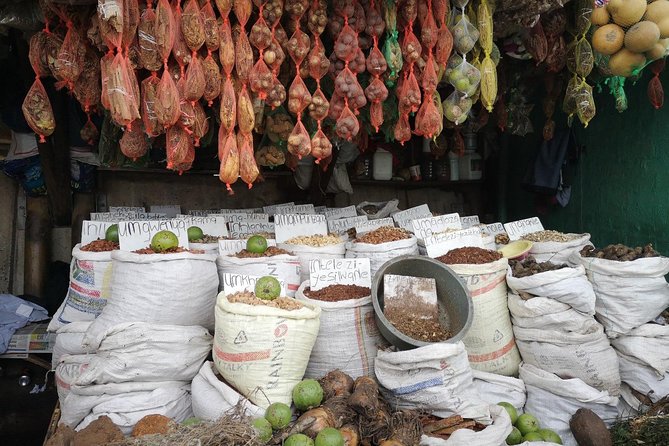
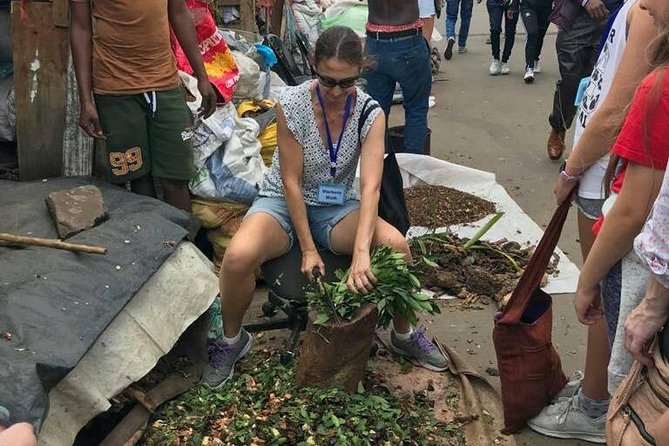
The final major stop lasts around 90 minutes at the Markets of Warwick. This is a sharp change from Isithumba. You leave a village setting and enter a dense urban market area described as a center of indigenous culture.
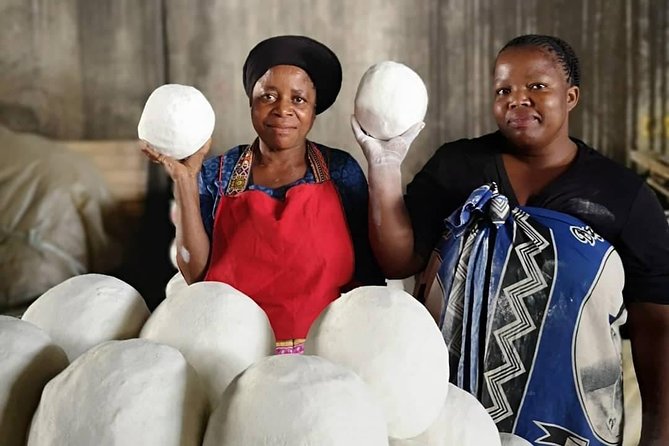
The visit focuses on the Lime and Imphepho Gogos, female elders who make their goods. Seeing them work gives you a direct connection to skill, trade, and older knowledge. It also shows that tradition is not frozen in a museum. It can be made, sold, adapted, and passed along in a working market.
This stop may be the most challenging for some people. The market setting is busy and unfamiliar, and the experience is designed to show a side of Durban that a polished city tour might skip. You should expect sensory overload and keep your attention on the guide.
Muthi Bridge, referred to here as Sangoma Central, adds another layer. The stop introduces traditional healing and the role of spiritual practice in local culture. The description presents it as a place where you can see where the culture is heading, not simply a relic from the past.
The wording around this stop can sound mysterious, but the value is in the explanation. Ask your guide to clarify what you are seeing, how goods are used, and how traditional practices fit into modern Durban. Avoid making quick judgments. This part of the visit works best when you approach it with curiosity and respect.
Ninety minutes is enough to get a strong impression, though it will not turn you into an expert on the market. That is fine. The stop is meant to open a window, not cover every corner.
The day’s rhythm and practical demands
The schedule runs from 8:00 am for roughly eight hours. You move through three major settings, with about five hours of planned stop time before allowing for travel between them.
Pickup is offered, which is useful in Durban because it removes some of the day’s transport planning. The details do not specify every pickup location, so confirm that your accommodation is included when you book.
A mobile ticket is provided. Confirmation arrives at booking, which makes this easy to fit into a larger Durban visit. The tour is limited to six people, a useful number for a day built around discussion rather than simple sightseeing.
Because the tour requires good weather, keep your schedule flexible. If poor weather cancels the experience, you can choose another date or receive a full refund. You can also cancel for a full refund if you do so at least 24 hours before the start time. Within 24 hours, the amount paid is not refunded, and changes are not accepted.
Wear practical clothing for a full day. The information confirms a walking visit at Isithumba, but it does not give a detailed packing list. Comfortable shoes are a sensible choice, and you should be prepared to spend time outdoors as well as inside museums and market areas.
Who will get the most from this experience

I would choose this tour if you want culture explained through people and places rather than a list of monuments. The combination of museum, village, meal, elders, and traditional healing gives you a wider view than a single cultural performance.
It suits first-time visitors to Durban who want an organized introduction to Zulu culture. The guide connects the stops, and the small group makes it easier to ask questions without arranging several separate visits.
It also suits repeat visitors who have already seen the city’s main attractions. Warwick Markets and Isithumba offer a different angle, while Phansi Museum gives the day an art-focused beginning.
You may want to skip it if you dislike packed schedules, walking, or uncertain encounters. Meeting a chief or spiritual healer is possible, not guaranteed. The market may feel intense, and the day is not built around long periods of free time.
Families and mixed-age groups should consider the tone of the experience. Most people can participate, but the cultural and market sections may require patience and careful listening. The supplied details do not state a minimum age, so ask the operator if you are booking for young children.
Is $168 a fair price?
At $168 per person, this is not a bargain outing in the usual sense. Its value comes from the number of elements brought together in one day: transport pickup, a maximum group of six, admission to Phansi Museum, a local-led village visit, food, and a market exploration.
You could likely spend less visiting one attraction on your own. But arranging a village visit, finding the right local contact, understanding what you are seeing, and moving between three very different locations would take time and planning. The guide’s role is central to the price.
The best value comes if you take part in the conversations. If you only want photographs, the fee may feel high. If you want context, ask questions, and appreciate access to ordinary settings, the day offers more than a standard attraction ticket.
The rating is 4.8 from five reviews, a small sample. I would treat that as encouraging but not definitive. The strongest praise centers on the village explanation, the lunch in the supervisor’s home, and the chance to ask questions. Those are the details I would use when deciding.
Should you book the Zulu Cultural Experience?
Book it if you want an organized, small-group day that connects indigenous art with present-day village life, food, markets, and spiritual practice. The village lunch and local resident guide are the main reasons I would choose it, while the dancing curator and Lime and Imphepho Gogos add unusual detail.
Before booking, confirm pickup arrangements and ask about the food if you have dietary restrictions. Also make sure you are comfortable with walking and with the possibility that a chief or spiritual healer may not be available.
If you prefer a relaxed day with one main attraction, choose something shorter. If you want a broad, direct look at Durban’s Zulu culture and can handle a full schedule, this is a strong choice.
FAQ
Where does the experience take place?
The experience is based in Durban, South Africa. It visits Phansi Museum, Isithumba Zulu cultural village, and the Markets of Warwick.
What time does the tour start?
The start time is 8:00 am.
How long does the experience last?
The experience lasts approximately eight hours.
Is pickup offered?
Yes, pickup is offered. The provided details do not specify every eligible pickup location, so confirm the arrangement when booking.
How many people can join the tour?
The maximum group size is six people.
Is admission included?
Yes. Admission is included for Phansi Museum, Isithumba Adventures, and the Markets of Warwick.
Can I cancel for a refund?
Yes. You can cancel at least 24 hours before the start time for a full refund. Cancellations or changes made less than 24 hours before the start time are not accepted for a refund. If poor weather causes cancellation, you will be offered another date or a full refund.
Just added around Durban
- Zululand 5 Day Private Safari from Durban★ 5.0 · 4 reviews
- Valley of a Thousand Hills – Durban★ 5.0 · 3 reviews
- Zulu Cultural Experience – Tour to the village of iSithumba and PheZulu★ 5.0 · 4 reviews
- Drakensberg, Nelson Mandela Capture S & Howick Falls – 2 Day Tour from Durban★ 5.0 · 3 reviews
- Garden Route Durban to Cape Town via Addo National Park – 7 Days★ 5.0 · 15 reviews
- Full Day-Drakensberg-MandelaCaptureSite-HowickFalls-MidlandsMeander from Durban★ 3.5 · 11 reviews
- Durban: Journey along the Epic Sani Pass & Lesotho Tour★ 5.0 · 7 reviews
- Hluhluwe Imfolozi Game Reserve & Phezulu Safari Park from Durban★ 5.0 · 4 reviews
Food & Drink, compared.

Full-Day Winelands Tour with Wine Tastings & Food
Read our review →

Stellenbosch & Franschhoek 20 Wine Tasting + Lunch Shared Tour
Read our review →

Browse the lists this tour appears in