
Reviewed · LESEDI CULTURAL VILLAGE TOURS
Durban City & PheZulu Cultural Village Day Tour from Durban
The strongest part of this day is the shift from Durban’s busy streets to the Valley of 1000 Hills, where Phezulu Cultural Village presents Zulu dancing, village traditions, and a guided reptile visit. The views from the hilltop are a major reason to make the trip, even before the performance begins.
I like the way this tour combines two very different sides of KwaZulu-Natal: Durban’s Indian, African, and colonial influences, then the countryside’s Zulu cultural traditions. I also like the Botanic Gardens, which offer a calm, green break from the packed schedule. The main caution is time. With up to nine stops in about eight hours, some visits can feel rushed, and pickup delays have occasionally shortened the day.
Key points at a glance

- Zulu dancing and village traditions: Phezulu offers a cultural presentation, a tour of a traditional Zulu village, and explanations of daily customs.
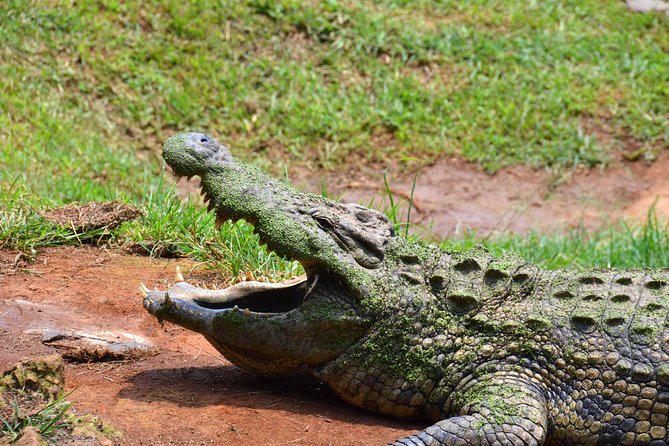
- Crocodiles and snakes included: The PheZulu Reptile Park adds a hands-on wildlife element that many city tours lack.
- Durban’s best-known city sights: Expect the Botanic Gardens, City Hall, Victoria Street Market, KwaMuhle Museum, Moses Mabhida Stadium, and uShaka Village Walk.
- A useful history stop: KwaMuhle Museum explains Durban’s apartheid-era pass system and local administration.
- Hotel and cruise pickup: Round-trip transport is included, with a 9 a.m. start and an advertised duration of about eight hours.
- Good for a one-day visit: The tour suits cruise passengers and first-time visitors who want a broad introduction without arranging several separate excursions.
Phezulu Cultural Village in the Valley of 1000 Hills
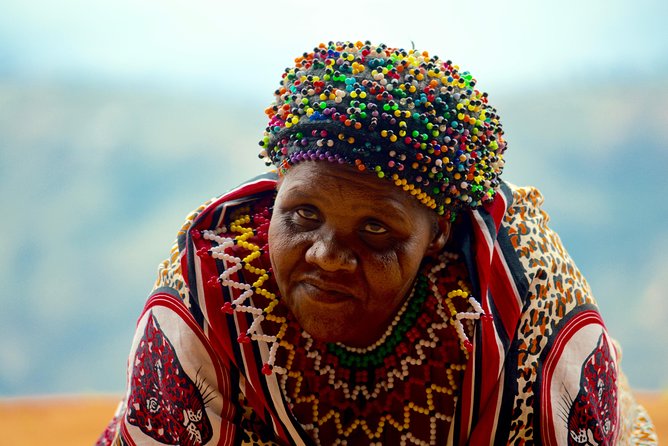
Phezulu Cultural Village is the heart of the excursion. It sits in the Valley of 1000 Hills, a scenic area outside Durban named for its many rounded hills and deep valleys. The drive itself changes the feel of the day. Durban’s port, roads, and city buildings give way to open views and traditional rural surroundings.
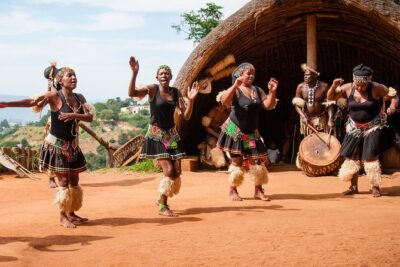
The cultural program includes a Zulu dance performance linked to stories about Zulu life and customs. You’ll usually have time to watch the dancers, hear an explanation of village traditions, and enter a large Zulu hut for a short presentation. Dancers may pose for photographs afterward, so keep your camera ready and ask before taking close portraits.
The village visit is designed as an introduction rather than an extended study of Zulu society. That makes it easy to follow, especially if you are new to the subject, but it also means the presentation can feel packaged. The quality depends partly on the guide and the energy of the performers. Guides such as Terry, Nozipho, Thammy, Christo, Bafana, Benson, Alain, and Vishnu have been singled out for clear explanations, kindness, or strong local knowledge at different times.
I would pay close attention during the village briefing. It gives context to the dance and helps you understand that the performance is not just a colorful show. Ask questions if your guide leaves quiet gaps. One visitor found the morning explanations strong but felt the narration became thinner later in the city, so a curious attitude helps you get more from the day.
More Lesedi Cultural Village Tours in Durban:
- Durban: Phezulu Cultural Village & Reptile Park Tour
★ 4.8 · 37 reviews - Phezulu Cultural Village & Reptile Park Day Tour from Durban
★ 4.0 · 33 reviews - Durban: City & PheZulu Cultural Village Tour
★ 4.9 · 24 reviews
PheZulu Reptile Park: crocodiles and snakes
The reptile park adds a welcome change of pace. A guide shows you crocodiles and snakes, and the visit can include close viewing or supervised handling of smaller animals. Holding crocodiles and snakes was a highlight for some people, though you should follow the staff’s instructions carefully.
This stop works well for families and anyone who wants more than buildings and museums. It also gives the Phezulu visit a second focus, so the cultural stop does not rest entirely on the dance performance.
The reptile park is not a full safari. You are visiting a dedicated collection, not searching for animals in the wild. Still, the guided presentation makes the stop informative and easy to fit into a city-and-country day.
The Phezulu section is scheduled for about two hours, with admission included. That is enough time for the village, dance, and reptiles, but the order may change with weather and road conditions. The Valley of 1000 Hills section is also listed as two hours, though these descriptions refer to the same general outing rather than two separate rural destinations.
Durban Botanic Gardens, a quiet 45-minute pause
Durban Botanic Gardens dates to 1849 and is described as Africa’s oldest operating botanical garden. It is known for old and unusual plants, including orchids and cycads. The gardens are one of the tour’s most praised stops, and I can see why: after the noise of markets and traffic, the paths and plant collections give you room to slow down.
The scheduled visit lasts about 45 minutes. That is enough for a pleasant walk and photographs, but not enough for a serious botanical study. Wear comfortable walking shoes, especially if the ground is wet. If gardens are a priority for you, stay focused and avoid spending too long at the first display.
A late pickup can affect this stop most noticeably. One visitor felt the garden visit was shortened after a delayed start. Confirm your pickup details in advance and be ready at the agreed location so the guide can keep the day moving.
City Hall and Durban’s central sights
Durban City Hall is a brief stop, usually about 15 minutes. Built in 1910, the neo-Baroque building gives you a quick look at the city’s older civic center. It is more of a photo and orientation stop than a full interior visit.
The tour also takes you through central Durban and the harbor area. Depending on traffic and the day’s timing, you may see sports facilities, commercial streets, and other city landmarks from the coach. This broad view is useful if you have only one day, though it will not satisfy you if you want long visits at every site.
The overview also refers to the Grey Street Mosque, described as the Southern Hemisphere’s largest mosque, and to an Indian temple complex. However, the detailed stop list does not assign separate visit times to either site. One account specifically noted that the mosque and temple were not visited, with Umhlanga substituted instead. Treat these as possible sightseeing points rather than guaranteed interior visits, and ask your guide at the start what the route will include.
A few more Durban trips to weigh up
- Durban: City Sightseeing and Walking Tour
★ 4.6 · 98 reviews - Durban: Top 10 City Sights and Walking Tour
★ 4.1 · 69 reviews - Durban City Sightseeing and Walking Tour
★ 4.5 · 59 reviews - Top 10 Things to do in Durban City Tour
★ 4.5 · 47 reviews
Victoria Street Market and Durban’s Indian influence
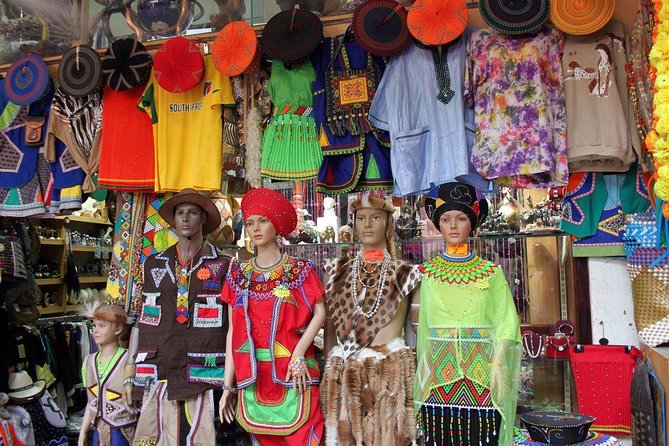
Victoria Street Market is a lively shopping stop with more than 170 stalls. You’ll find African clothing, art, jewelry, spices, and other goods. The market reflects Durban’s long Indian and African connections, and it is a better place to see that mix than a standard coach-only city loop.
The scheduled stop lasts around 30 minutes. That is enough to look around and make a small purchase, but not enough for a relaxed shopping session. If you want spices or gifts, decide early what interests you. Prices may be negotiable, but the tour does not promise a particular bargain, so compare items before buying.
Be aware of your belongings in any crowded market and keep your return time in mind. The value here is cultural as much as commercial. Even if you buy nothing, the food aromas, fabrics, jewelry, and traditional products give you a quick sense of Durban’s trading culture.
Markets of Warwick and traditional medicine
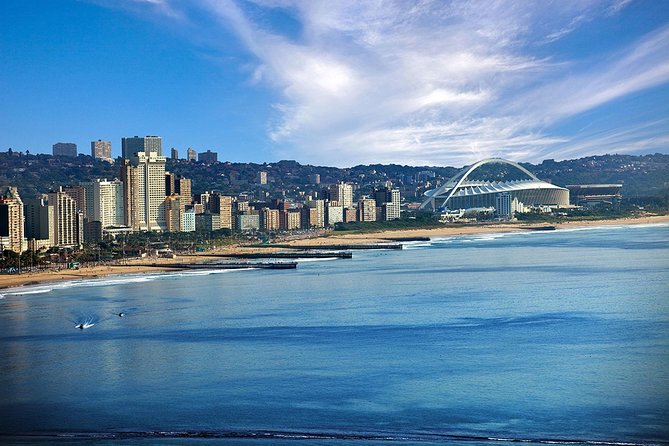
The Markets of Warwick stop focuses on the Zulu herb market, also known as a muti market. A guide explains how traditional medicines are sold and how these practices continue in modern Durban.
This is one of the more unusual parts of the city route. It is not polished for sightseeing, and that is exactly why it can be meaningful. You see a working market connected to living beliefs and health practices, rather than a recreated display.
The visit is only about 15 minutes, so expect an introduction, not a long discussion with vendors. Be respectful with photography and ask before taking pictures. The setting may be confronting or unfamiliar, but it offers a more direct cultural encounter than many standard city tours.
KwaMuhle Museum and Durban under apartheid
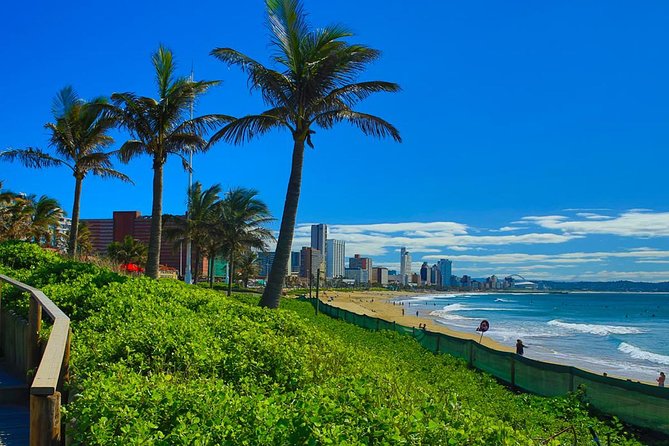
KwaMuhle Museum occupies the former Native Administration Office, a building associated with the pass system imposed on nonwhite South Africans. Its exhibitions explain apartheid in Durban and include an educational room focused on HIV and AIDS.
This is an important stop because it adds political and social context to the rest of the day. Durban can look like a sunny coastal city of markets, gardens, beaches, and stadiums, but the museum shows how movement, work, and public life were controlled under apartheid.
The visit is scheduled for 30 minutes. That is short for a museum with serious material, so you will need to read selectively and listen closely to the guide. Some visitors found the museum eye-opening, while others felt the stop was rushed. I would place it high on your attention list, especially if this is your only organized history visit in Durban.
Moses Mabhida Stadium and optional SkyCar
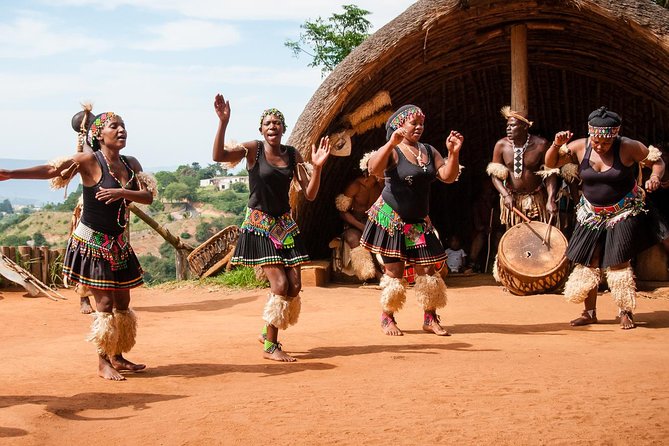
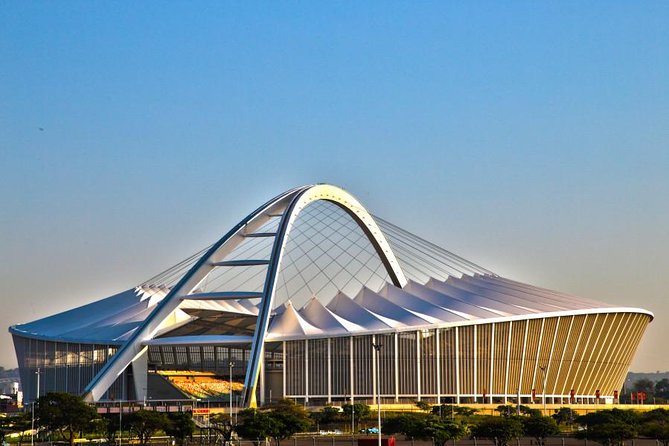
Moses Mabhida Stadium is generally a brief 15-minute stop. You may have time for photographs and an exterior look. If the SkyCar is operating, you can pay separately to ride up to the platform.
The SkyCar is not included in the tour price, and the stop is too short to assume you will have time for it. Ask the guide early in the day whether the ride is available and how it fits the schedule. If the view matters more to you than another short city stop, the extra cost may be worthwhile, but it is an optional add-on.
The stadium visit works best as a quick landmark stop. Do not book this tour expecting a full stadium tour or a guaranteed SkyCar ride.
Two hours at uShaka Village Walk
The final city portion is uShaka Village Walk, where you have about two hours to shop or find lunch. This gives you the most flexible time of the day. The area is connected with the uShaka Marine World and beach precinct, though admission to attractions is not included.
Lunch and drinks are your responsibility. Your guide may suggest a place, and one account praised the ocean setting for a meal, but budget separately for food. The two-hour pause is useful because the earlier schedule is tight. You can eat, browse, and take a breath before returning to the meeting point.
The stop also gives you a chance to decide what you want from the day. If the cultural sites and museums have already filled your head, use the time for lunch. If you prefer shopping, uShaka Village Walk is less rushed than Victoria Street Market.
How the eight-hour schedule feels
The tour starts at 9 a.m. and is designed to end back at the meeting point after roughly eight hours. Hotel and cruise-ship pickup and drop-off are included, which can save you the hassle of finding transport between Durban and the Valley of 1000 Hills.
The coach is described as comfortable, but vehicle size can vary. One person found the car too small for the group, while the operator stated that a seven-seater had been used. The maximum group size is listed as 99, so you should ask about the vehicle and expected group size if personal space matters to you.
The schedule packs in a lot: two hours at Phezulu, two hours in the Valley area, 45 minutes in the gardens, a city-center stop, two markets, a museum, the stadium, and two hours at uShaka. In practice, traffic, weather, pickup arrangements, and the guide’s choices can change the balance.
Most people can participate, but you should expect regular walking and standing. Comfortable shoes are a good idea. The tour runs in all weather, so bring suitable clothing. A multilingual guide may operate the day, and Polish or German can be requested in advance.
Is the $143.21 price good value?
At $143.21 per person, this is not a bargain city shuttle. Its value comes from combining transport, a local guide, Phezulu admission, the cultural show, and the reptile park in one day. You also avoid arranging a separate trip into the Valley of 1000 Hills.
The price makes the most sense if you have one free day, are visiting from a cruise ship, or want a structured introduction to Durban. It is less attractive if you want to linger at one museum, shop slowly, or choose every stop yourself.
Food, drinks, and the Moses Mabhida SkyCar cost extra. Build those into your budget. Group discounts may be available, and the tour is often booked well ahead, with an average booking lead time of 56 days. That suggests you should reserve early for a particular date, especially during a cruise schedule or busy travel period.
The operator offers free cancellation up to 24 hours before the start time. Changes or cancellations inside that window are not accepted for a refund.
Who will get the most from this tour?
I would choose this tour if you want a broad first look at Durban and have no desire to plan a complicated day on your own. It is especially useful for cruise passengers, first-time visitors, couples, families, and anyone interested in seeing both city life and Zulu cultural traditions.
It also suits you if you enjoy variety. In one day you move from botanical collections to apartheid history, from market stalls to traditional medicine, and from a coastal city to a hilltop village.
I would hesitate if you dislike tight schedules or staged cultural presentations. The village experience can feel less engaging in poor weather or when the group is small, and the city stops may be rushed. You should also confirm the planned route if seeing the Grey Street Mosque, Hindu temple, or Botanic Gardens is essential to you, since the exact stops have not been identical on every outing.
Should you book the Durban City and PheZulu Cultural Village tour?
Book it if your priority is breadth and convenience. The best parts are the Valley of 1000 Hills, the Zulu dance, the reptile park, the Botanic Gardens, and KwaMuhle Museum. Together, they give you a useful first picture of Durban and its surrounding culture.
Skip it if you want a slow, specialist visit to one subject. In that case, a private arrangement would give you more time at the gardens, museum, or cultural village. For a single day, though, this tour covers a surprising amount and removes much of the transport planning.
Go in with realistic expectations, confirm your pickup, wear walking shoes, carry money for lunch and optional extras, and ask questions when you want more detail. With the right mindset, this is a practical way to connect Durban’s city streets with the Zulu traditions and hill views beyond town.
FAQ
What time does the tour start?
The scheduled start time is 9:00 a.m. The tour ends back at the meeting point after approximately eight hours.
Is hotel pickup included?
Yes. Pickup and drop-off are offered from hotels and cruise ships. The listed meeting point is 85 Marine Parade, South Beach, Durban.
What is included in the tour price?
A local guide, round-trip transport from hotels or cruise ships, admission to Phezulu Cultural Village, and admission to the PheZulu Reptile Park are included.
Are food and drinks included?
No. Food and drinks are not included. You have time to shop or eat at uShaka Village Walk.
Is the Moses Mabhida Stadium SkyCar included?
No. The SkyCar ride is optional and costs extra if it is operating.
Can I cancel for a full refund?
Yes, if you cancel at least 24 hours before the experience start time. Cancellations or changes made less than 24 hours in advance are not accepted for a refund.
Just added around Durban
- Zululand 5 Day Private Safari from Durban★ 5.0 · 4 reviews
- Valley of a Thousand Hills – Durban★ 5.0 · 3 reviews
- Zulu Cultural Experience – Tour to the village of iSithumba and PheZulu★ 5.0 · 4 reviews
- Zulu Cultural Experience: Zulu Village + Tribal Markets + Traditional Zulu Food★ 5.0 · 5 reviews
- Drakensberg, Nelson Mandela Capture S & Howick Falls – 2 Day Tour from Durban★ 5.0 · 3 reviews
- Garden Route Durban to Cape Town via Addo National Park – 7 Days★ 5.0 · 15 reviews
- Full Day-Drakensberg-MandelaCaptureSite-HowickFalls-MidlandsMeander from Durban★ 3.5 · 11 reviews
- Durban: Journey along the Epic Sani Pass & Lesotho Tour★ 5.0 · 7 reviews
Lesedi Cultural Village Tours, compared.
Lesedi Cultural Village and Cradle of Humankind Tour
Read our review →

Phezulu Cultural Village & Reptile Park Day Tour from Durban
Read our review →
Lesedi Cultural Village & cradle of Humankind Guided Tour
Read our review →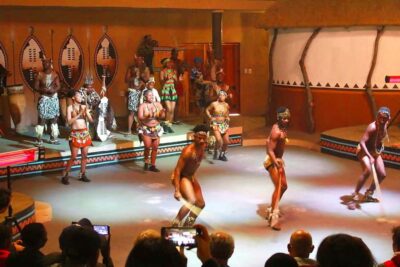
Browse the lists this tour appears in