
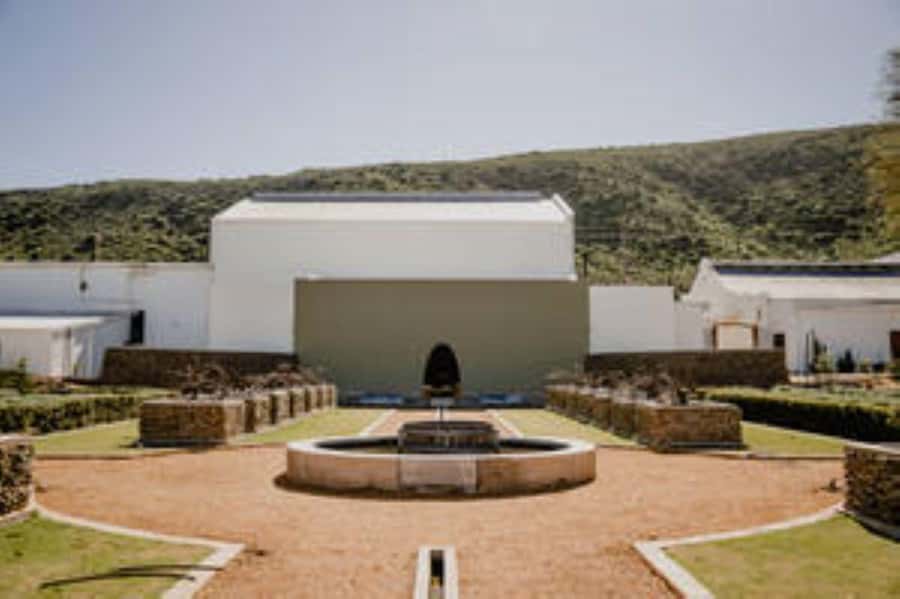
Reviewed · SOUTH AFRICA
Bonnievale : Captivated By Chardonnay
The unusual part comes first: three Chardonnays are tasted underground, among old wine tanks and dimly lit passages at Weltevrede Wine Estate. This is not a quick stand-and-sip stop. It is a guided story about soil, family, craft, and the long road Chardonnay took to reach South Africa’s Robertson Valley.
I like the way the tour connects geology with what is in your glass, and I like its human scale. The winemaker’s philosophy, the family farm story, and a poetry reading give the tasting more shape than a standard cellar visit.
The main consideration is timing. You need to arrive at 13h45 for a 14h00 briefing, and the program runs until 16h00. Children under 18 cannot join, and the underground setting may not suit anyone who prefers a fast, casual tasting.
Key points to know before booking
- Three named Chardonnays: Taste Calcrete, Place of Rocks, and Poet’s Prayer, each tied to the tour’s focus on place and winemaking.
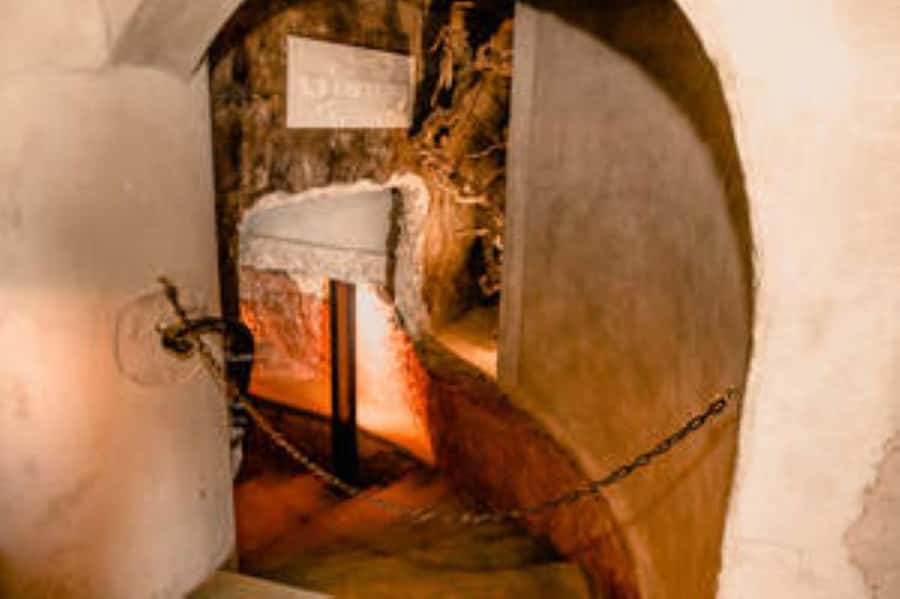
- Underground wine setting: The tasting takes place in dimly lit tunnels and the deepest section of the cellar, beside underground wine tanks.
- A clear three-part story: Learn where Chardonnay is made, hear about the winemaker’s approach, then trace wine’s story back to 500 B.C.
- A poetic final glass: The tour ends with a poetry reading by Philip Jonker while you taste Poet’s Prayer Chardonnay.
- Two-hour afternoon visit: Arrive at 13h45, with the formal program beginning at 14h00 and ending at 16h00.
- Good value for wine students: At $15 per person, the price covers the guided presentation and wine tasting, with an English-speaking guide.
Why an underground Chardonnay tour feels different
Many winery visits follow a familiar pattern: admire the view, hear a short explanation, taste a few wines, and move on. Weltevrede takes a more focused route. The subject is Chardonnay, and the setting helps keep your attention on the drink rather than on a long list of unrelated cellar facts.
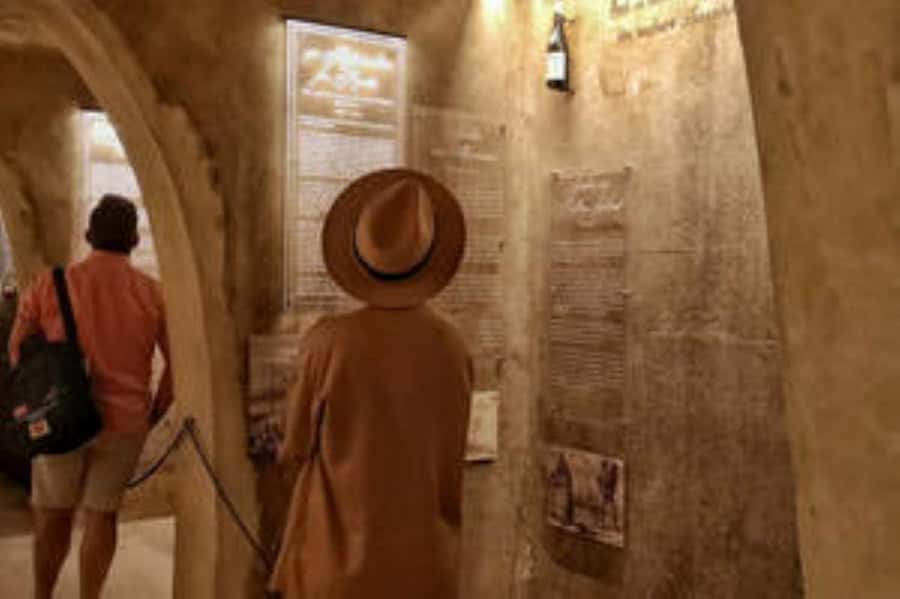
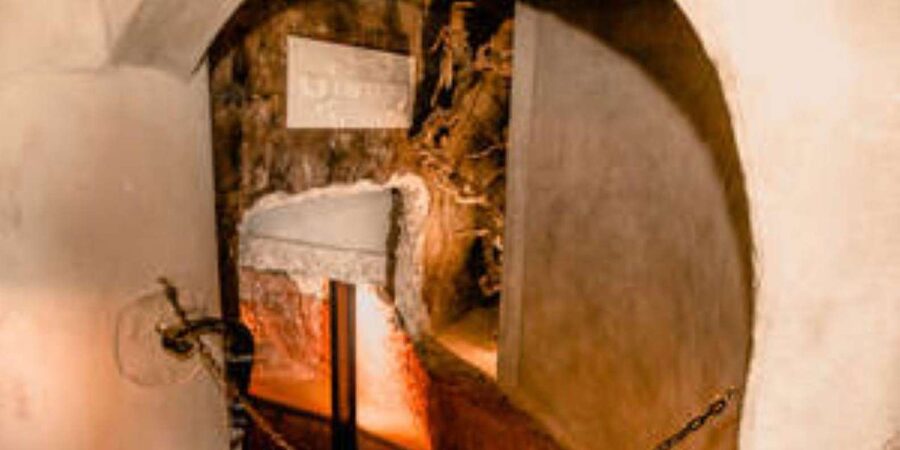
The underground tunnels give the visit a quiet, enclosed mood. You are not simply seated at a tasting counter. You move through a space connected to the wine itself, then reach the deepest part for the historical section and final tasting. The supplied details describe dimly lit underground wine tanks, so expect atmosphere rather than bright, polished tasting-room style.
I would choose this visit if you enjoy understanding why a wine tastes the way it does. You will hear about geography and geology, then connect those ideas to three separate Chardonnays. If you only want a quick glass in a pretty setting, the talk may feel longer than necessary.
The tour also gives Chardonnay a wider story. It begins with where the grape is produced around the world and how it spread to the Robertson Valley. That opening matters because it places the farm in a global wine story, rather than treating it as an isolated stop in the Western Cape.
Other South Africa days people book alongside this one:
- Wine Tour: Paarl, Franschhoek & Stellenbosch incl 3 wineries
★ 5.0 · 3,940 reviews - Cape Town: Hop-On Hop-Off Bus Tour with Optional Cruise
★ 4.8 · 3,929 reviews - Cape Town: Cape of Good Hope & Penguins Day Tour with Pickup
★ 4.7 · 3,362 reviews
The 13h45 arrival and 14h00 briefing
Plan to arrive at 13h45, when the host meets the group. The formal briefing begins at 14h00, so arriving late could mean missing the introduction that sets up the rest of the visit.
The schedule is unusually specific. At 14h10, you watch an audiovisual presentation. This is the first major section of the tour, covering Chardonnay’s worldwide production and its movement into the Robertson Valley.
That timing gives you a useful sense of the afternoon. This is a planned presentation rather than an informal tasting where the guide simply pours wine and answers questions as they arise. You should expect the guide to lead the group through a set sequence.
The language is English. A live guide leads the experience, but no guide’s name is provided, so you should not book expecting a particular host. One verified booking described the visit as relaxed and profound, with broad information and a strong guide. That fits the tour’s stated design: thoughtful, personal, and more reflective than rushed.
Calcrete Chardonnay at 14h30
At 14h30, the tasting begins with Calcrete. The name points to the tour’s close attention to soil and place, and the program uses this wine to connect what you have seen and heard with the first pour.
The important point is not just that you receive a glass. You are being asked to think about the conditions behind Chardonnay production in the Robertson Valley. The tour includes museum-like presentations of the valley’s terroir, so the visual material and the tasting are meant to work together.
I appreciate this approach because soil talk can otherwise become abstract. A display can show you the ground, but wine gives the idea a sensory result. You can listen to the explanation, look at the presentation, and then taste the wine while those details are fresh.
The downside is that the supplied information does not give tasting notes for Calcrete. You should not arrive expecting a detailed flavor profile in advance. The value here comes from the guided explanation and the chance to consider the wine in its geographic setting.
Place of Rocks at 15h00
The second Chardonnay, Place of Rocks, is poured at 15h00. By this stage, the tour has moved beyond basic farm background and into the relationship between the winemaker’s choices and the character of the wine.
The program explains the winemaker’s philosophy, the hand of the artisan, and the pursuit of an elegant, unpretentious Chardonnay. Those words suggest a style that avoids showy excess, but the tour data does not provide a formal technical description. I would listen carefully to the guide here, since this is where the visit explains how decisions in the cellar shape the final bottle.
This part should appeal to anyone who likes the human side of wine. You hear not only about grapes and soil, but also about intention. Why make Chardonnay in this particular way? What does an elegant, unpretentious style mean in practice? The tour is built around those questions.
The second tasting also helps prevent the wines from blending into one another. With three pours spaced through the afternoon, you have time to hear the story behind each one. It is a slower format, but that is also its strength. You are given room to compare rather than being pushed through three samples in ten minutes.
Same country, a completely different kind of day:
- Zipline Cape Town – From Foot of Table Mountain Reserve
★ 5.0 · 3,179 reviews - Cape Town: Table Mountain Cable Car, Hop-On Hop-Off Bus Tour
★ 4.6 · 3,157 reviews - Cape Point and Boulder’s Penguins Full Day Tour
★ 5.0 · 3,118 reviews - From Cape Town: Cape Point & Boulders Beach Full-Day Tour
★ 4.8 · 3,032 reviews
Poet’s Prayer and the final underground chamber
At 15h40, the group reaches Poet’s Prayer Chardonnay. This is the exclusive wine reserved for the closing part of the tour, and it comes with a poetry reading written by Philip Jonker.
That final pairing gives the experience a different tone. The afternoon has covered world production, Robertson Valley terroir, winemaking philosophy, and wine history dating back to 500 B.C. The poem brings the focus back to feeling and imagination.
You may like this ending if you enjoy the cultural side of food and drink. It is not a standard tasting-room finish, and it gives the last glass a clear role in the story. The wine is not simply the third sample. It is the closing note.
At the same time, poetry will not suit everyone. Some people want technical details, more time to taste, or the chance to buy and compare several bottles. The information provided does not mention retail shopping, food pairings, or additional tastings, so do not assume those are part of the visit.
The tour ends at 16h00. That makes the final section short and clearly timed, rather than an open-ended gathering that may run late.
From Chardonnay’s origins to 500 B.C.
The historical section takes place in the deepest part of the underground tour. It traces wine back to 500 years before Christ, giving the grape and the farm a longer time frame than a simple account of modern production.
This is one of the more distinctive parts of the experience. You are not only learning how Chardonnay reached the Robertson Valley. You are also being reminded that wine has been tied to agriculture, culture, trade, and human pleasure for thousands of years.
The tour promises an in-depth look at the essence of Chardonnay through geography, geology, history, and hope. That combination explains why the visit lasts longer than a normal tasting. Each glass has a topic attached to it, and the underground route provides a physical sense of moving through different layers of the story.
I would keep your expectations sensible. The information does not say that the tour includes archaeological objects or a large formal museum. It describes museum-like presentations of the Robertson Valley’s terroir and a historical presentation in the underground area. Think carefully arranged interpretation, not a major public museum.
The Weltevrede family story
Weltevrede is also presented through the history of the farm and the family that runs it. That detail gives the tasting a personal anchor. You are not hearing only about a grape variety in general terms. You are learning how one family and one estate approach Chardonnay.
The program places special weight on the winemaker’s philosophy. The artisan’s hand is part of the explanation, along with the choice to pursue an elegant and unpretentious style. This makes the farm story useful rather than decorative. It helps you understand why the wines are made as they are.
No specific family member or guide is named in the supplied information, so I would not expect a meeting with a particular person. The live English-speaking guide handles the visit, and the family story is part of the presentation.
This is a good fit if you like wine estates that explain their choices plainly. It may be less appealing if you prefer to roam independently or if you find long background talks less interesting than the tasting itself.
Is $15 a fair price?
At $15 per person, this is a strong value for anyone who would normally pay separately for a tasting and a guided cellar visit. The price includes the wine tasting, the English-language tour, the audiovisual presentation, the terroir displays, and the structured story through the underground spaces.
You are also getting three wines rather than one or two quick samples. The schedule gives each Chardonnay its own place: Calcrete at 14h30, Place of Rocks at 15h00, and Poet’s Prayer at 15h40. The spacing allows the guide to build meaning around each glass.
The value depends on your interests. If you are already familiar with Chardonnay and want a short, technical tasting with detailed wine specifications, you might find the poetry and historical material less useful. If you want a guided cultural experience with wine at its center, the price is modest for a two-hour afternoon program.
Free cancellation up to 24 hours before the start gives you some planning room, and the reserve-now, pay-later option helps if your Western Cape plans are still shifting. Smoking is not allowed.
Who should book this experience?
I would recommend it to adult wine drinkers who enjoy a calm, guided pace. It suits you especially well if you want to understand the link between soil, place, and flavor, or if you like hearing how a family estate makes its choices.
It is also a good match for visitors who want something more thoughtful than a quick tasting. The historical material, audiovisual presentation, family story, and poetry reading give the afternoon several layers.
You should think twice if you are traveling with children under 18, since they cannot take part. You may also want another type of winery visit if you prefer outdoor views, food pairings, a large selection of grape varieties, or a short drop-in tasting. None of those features is listed here.
The underground setting is central to the experience. If you enjoy atmospheric cellar spaces, it adds character. If enclosed, dimly lit areas are uncomfortable for you, that is worth considering before you book.
Practical timing for your afternoon
The full schedule runs from the 13h45 arrival to the 16h00 finish:
- 13h45: Host meets the group
- 14h00: Briefing
- 14h10: Audiovisual presentation
- 14h30: Calcrete tasting
- 15h00: Place of Rocks tasting
- 15h40: Poet’s Prayer tasting and poetry reading
- 16h00: Tour ends
This precise schedule is useful if you are arranging other activities in the Robertson Valley. Allow time before 13h45 for your journey to Weltevrede Wine Estate, since the host begins meeting the group then.
The activity is described as a one-hour underground tour within a two-hour booking. The safest way to understand this is that the full visit includes the briefing, audiovisual material, tastings, and closing program, while the underground portion itself may occupy about an hour. Either way, keep the whole 13h45 to 16h00 window free.
Should you book Captivated by Chardonnay?
Book it if you want three Chardonnays with a story, not merely three pours. The $15 price is appealing, the schedule is clear, and the underground setting gives the visit a memorable sense of place. The mix of Robertson Valley terroir, family winemaking, ancient wine history, and Philip Jonker’s closing poem makes this more distinctive than a standard cellar tasting.
Skip it if you need a brief visit, are under 18, or mainly want scenery and food. For the right audience, though, this is a relaxed and serious look at one grape, one valley, and one family’s way of making wine.
FAQ
How much does the Captivated by Chardonnay tour cost?
The tour costs $15 per person and includes the wine tasting.
How long does the experience last?
The booking duration is two hours. The scheduled visit begins with arrival at 13h45 and ends at 16h00.
What wines will I taste?
You will taste three Chardonnays: Calcrete, Place of Rocks, and Poet’s Prayer.
What time should I arrive?
Arrive at 13h45. The host meets the group then, followed by a briefing at 14h00.
Is the tour offered in English?
Yes. The experience has a live English-speaking guide.
Can children join the tour?
No. The activity is not suitable for children under 18.
Just added around South Africa
- Lion’s Head Hike: Cape Town – Sunrise or Sunset Hike★ 5.0 · 29 reviews
- Lion’s Head Sunrise or Sunset Hike + Hotel Pick-Up★ 5.0 · 24 reviews
- Lion Park Tour in Open Safari Vehicle★ 5.0 · 6 reviews
- Lion’s Head: Hike with a registered hiking guide★ 5.0 · 3 reviews
- 4×4 into Lesotho From Underberg – Horse Ride / Village Life★ 4.8 · 18 reviews
- Lesotho: Sani Pass Scenic Day Trip w/ Village Visit & Lunch★ 5.0 · 3 reviews
- Lion park★ 4.5 · 5 reviews
- Lesedi Cultural Village★ 4.9 · 14 reviews