
Reviewed · 1-DAY TOURS
From Durban: Isandlwana Rorkes Drift Battlefields Day Trip
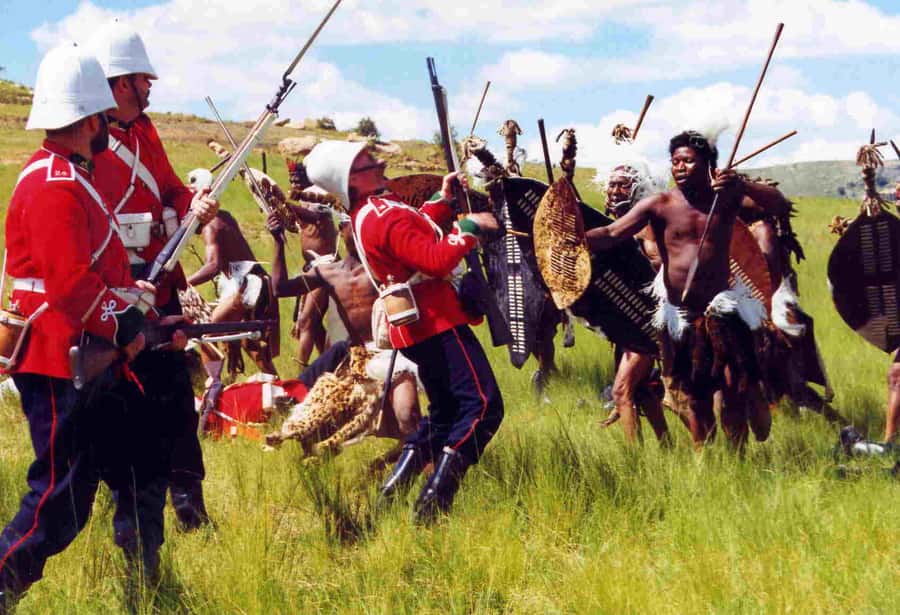
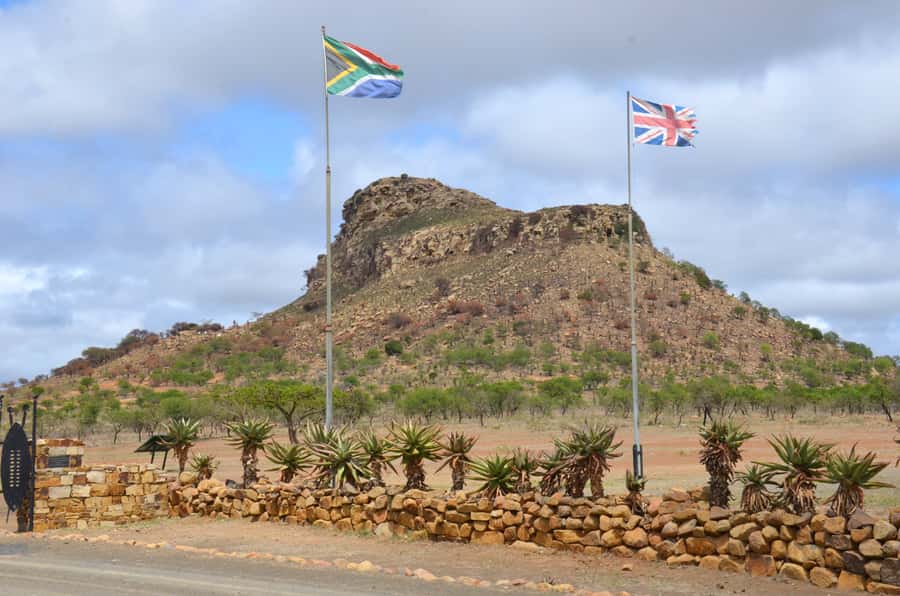
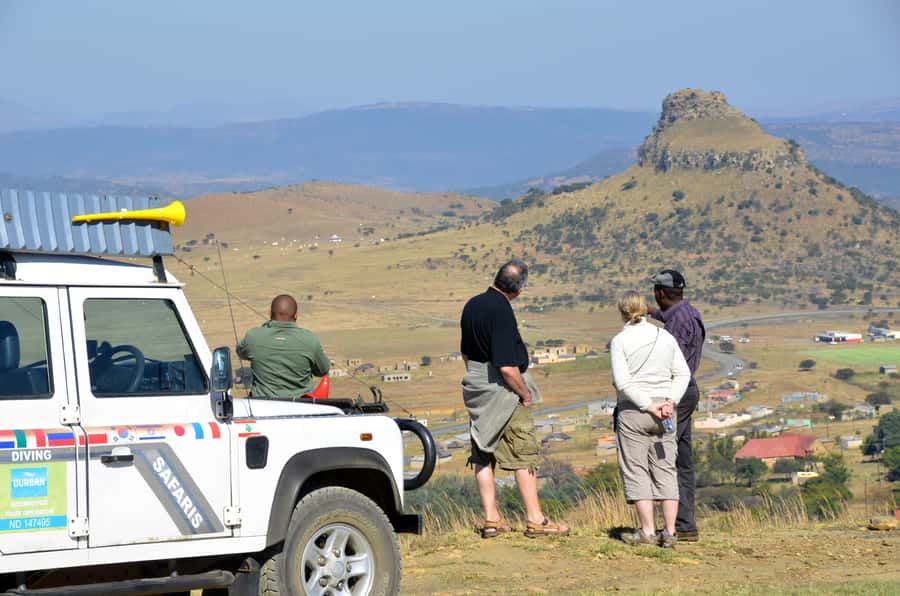
Isandlwana and Rorke’s Drift tell two sharply different stories from the Anglo-Zulu War. At Isandlwana, a much larger Zulu force overwhelmed a badly positioned British column. Hours later, at Rorke’s Drift, a small British garrison held its mission station through the night. Seeing both sites in one day gives you the full arc of the conflict, not just a single famous episode.
I like the clear historical focus and the chance to visit the battlefield museum, memorials, and actual battle sites with a guide rather than trying to piece the story together alone. I also like that the trip includes Fugitives Drift and the Queen’s Colours memorial, adding a quieter, more reflective final stop.
The main drawback is the 14-hour schedule. The drive from Durban is long, and the day can feel full-on. Lunch and drinks are not included, and the tour information says the Isandlwana entrance fee is separate, so confirm the final cost before booking.
Key points at a glance
- Isandlwana comes first: Visit the site of the British defeat on 22 January 1879, with museum time to help explain the battle.
- Rorke’s Drift offers a contrasting story: Learn how a small British force defended the mission station immediately after Isandlwana.
- The drive is part of the commitment: This is a full 14-hour day from Durban, though the countryside helps make the long road more pleasant.
- Guide quality matters: Past departures have been led by Thami, Bafana, and Aaron, with strong praise for their explanations, courtesy, and driving.
- The price includes transport and entry fees listed for the tour: At $198 per person, the value depends on how much you want guided battlefield context, and you should check the separate Isandlwana charge.
- Pack for an outdoor history day: Wear comfortable shoes and clothes, bring sunscreen, and arrange your own lunch and drinks.
Why Isandlwana changes the way you understand the war
The Battle of Isandlwana took place on 22 January 1879, eleven days after the British began their invasion of Zululand. A Zulu force of about 20,000 warriors attacked part of the British main column, which included roughly 1,800 British, colonial, and locally recruited troops, along with perhaps 400 civilians.
The numbers alone do not explain the result. The Zulu fighters mainly carried iron assegais and cow-hide shields. Some had muskets and older rifles, but they had not received formal training in their use. The British had a major advantage in firearms, yet poor leadership and a weak deployment left them exposed.
At Isandlwana, the Zulu force overwhelmed the British position. This was the first major encounter of the Anglo-Zulu War, and it shattered the idea that superior British weapons would guarantee an easy victory.
That context is why I think a guide is especially useful here. On a broad battlefield, it can be hard to know where to look or how to picture the movement of troops. The museum gathers the main facts, while the guide helps connect those facts to the ground around you.
The experience is not only about military tactics. It also raises questions about invasion, resistance, leadership, and the human cost of imperial war. The site can feel quiet now, but the scale of the events is sobering. Give yourself time to take in the memorials rather than treating Isandlwana as a quick photo stop.
One practical point needs attention. The activity information includes entry fees, but it also specifically says that the fee for Isandlwana is not included in the ticket. That is a direct contradiction in the booking details. Ask the local partner to confirm this charge before you go.
A few more Durban trips to weigh up
- From Durban: Hluhluwe Imfolozi Game Reserve Day Trip
★ 4.5 · 13 reviews - Mandela Capture Site Howick Falls & PheZulu Village Day Trip
★ 3.7 · 7 reviews - Big Five Safari and Breede River Valley Guided Day Trip
★ 5.0 · 526 reviews
The Isandlwana museum adds the missing detail
The museum is an important part of the first stop. Without it, you may see a large open area and struggle to understand the sequence of events. The museum brings the information together through displays connected to the Anglo-Zulu War and the battle itself.
I would give the museum real attention rather than rushing straight outside. It helps establish the forces involved, the weapons used, and the conditions that led to the British defeat. Once you have that base, the battlefield visit becomes easier to follow.
The tour description presents Isandlwana as both a battlefield and a memorial site. You can expect a serious atmosphere rather than a staged attraction. The appeal is the connection to a specific historical moment and the chance to reflect on the many people who died there.
This stop will suit you best if you already enjoy military history or want more than a general sightseeing day. If you prefer fast-moving attractions, the museum and battlefield may feel slow. That is not a flaw, but it is worth knowing before you spend much of a long day on one historical event.
Rorke’s Drift shows the other side of 22 January 1879
The tour then continues to Rorke’s Drift, also known as the Defence of Rorke’s Drift. This was a mission station where a small British force defended itself after the defeat at Isandlwana.
The defence began on 22 January 1879 and continued into the following day. The timing gives this stop its dramatic link to Isandlwana. You are not seeing two unrelated sites. You are following the rapid turn of events that shaped the early part of the Anglo-Zulu War.
Rorke’s Drift is valuable because it offers a sharp contrast. Isandlwana shows the danger of poor deployment and overconfidence. Rorke’s Drift focuses on a determined defence under pressure. Visiting both locations lets you compare the choices made by commanders and soldiers in different circumstances.
Your guide will be central here. The historical facts are well known, but the site becomes much easier to understand when someone explains how the defence unfolded. Guides named Thami, Bafana, and Aaron have led past departures, though the guide assigned to your booking may differ.
I would listen for the human details, not only the battle statistics. The point is not to turn the stop into a simple story of heroes and villains. The Anglo-Zulu War began with a British invasion of Zululand, and the events at both sites belong to that larger conflict.
Fugitives Drift and the Queen’s Colours memorial provide a quieter finish
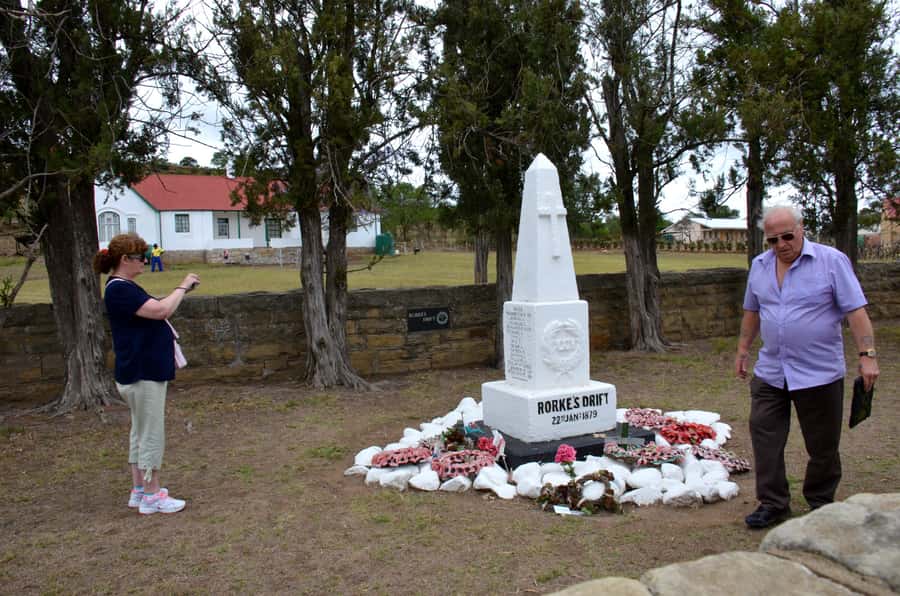
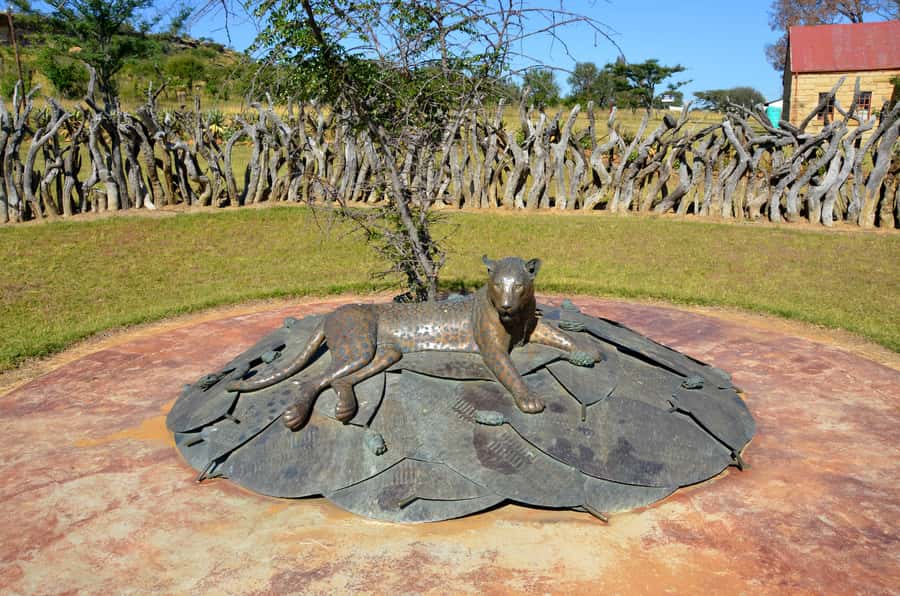
The final stop is Fugitives Drift and the Queen’s Colours memorial. This gives the day a different rhythm after the main battlefield visits.
The Queen’s Colours were important military symbols, and the memorial connects them with the wider story of the war. Fugitives Drift adds another layer to the aftermath of Isandlwana and to the movement of people through the area after the battle.
The supplied information does not give a detailed walking route or specify how much time you will spend at this stop. Expect it to be a memorial visit rather than a large museum experience. Your guide’s explanation will shape how useful it feels, so do not hesitate to ask questions.
I like having this stop at the end. After the noise of battle maps, weapons, and troop numbers, a memorial gives you space to think about the people caught up in the conflict. It also prevents the itinerary from ending abruptly at the second battlefield.
Same country, a completely different kind of day:
- Durban: 30-Minute Harbor Boat Cruise
★ 4.7 · 665 reviews - Durban: 1-Hour Boat Cruise from Wilson’s Wharf
★ 4.7 · 496 reviews - Durban Point Waterfront: Luxury Canal Boat Cruise
★ 4.4 · 298 reviews - Durban: Pontoon Boat Harbor Cruise
★ 4.4 · 182 reviews
A 14-hour day from Durban requires honest planning
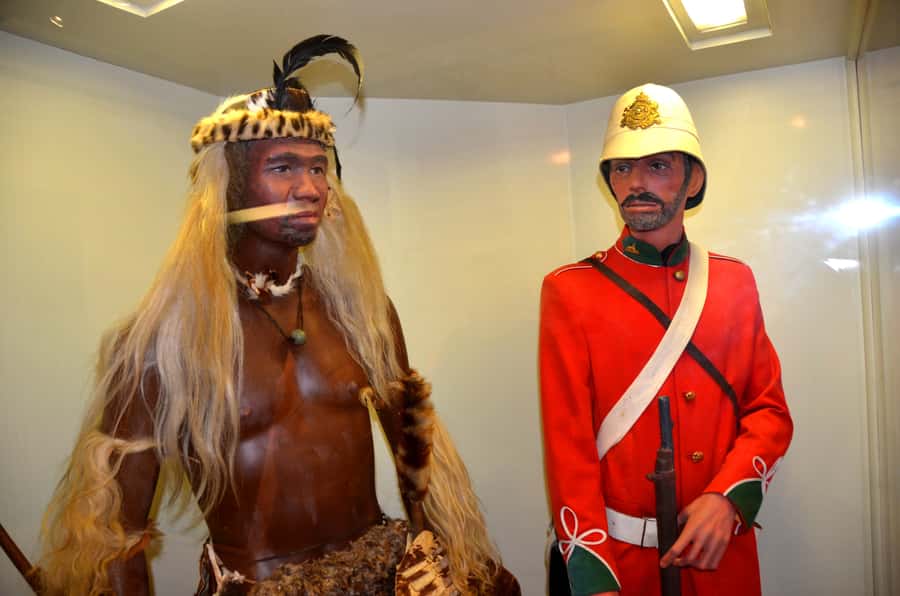
This is a long road trip. The total duration is about 14 hours, and the battlefield sites are in the north of KwaZulu-Natal, far from central Durban. You will spend a substantial part of the day in transport.
That does not make the journey pointless. The countryside along the route gives you something to look at, and one past departure described the drive as long but beautiful. Still, you should not book this expecting a relaxed half-day outing.
The long schedule affects the value in two ways. First, you get access to several important sites without arranging separate transport. Second, you give up most of a day and need enough energy for outdoor stops, museum time, and the return drive.
A professional guide and driver make a real difference on a day like this. Aaron was praised for handling the long drive while also guiding, and for being polite and ready to help. Bafana was singled out for an excellent, well-informed approach, while Thami received praise for making the day interesting and acting as a strong host.
Those names help set expectations, but they are not a guarantee of who will lead your departure. The activity lists English, Greek, Portuguese, and French. German and Polish can be requested, and a specialised guide or qualified historian can be arranged for an extra fee.
What the $198 price includes, and what it does not
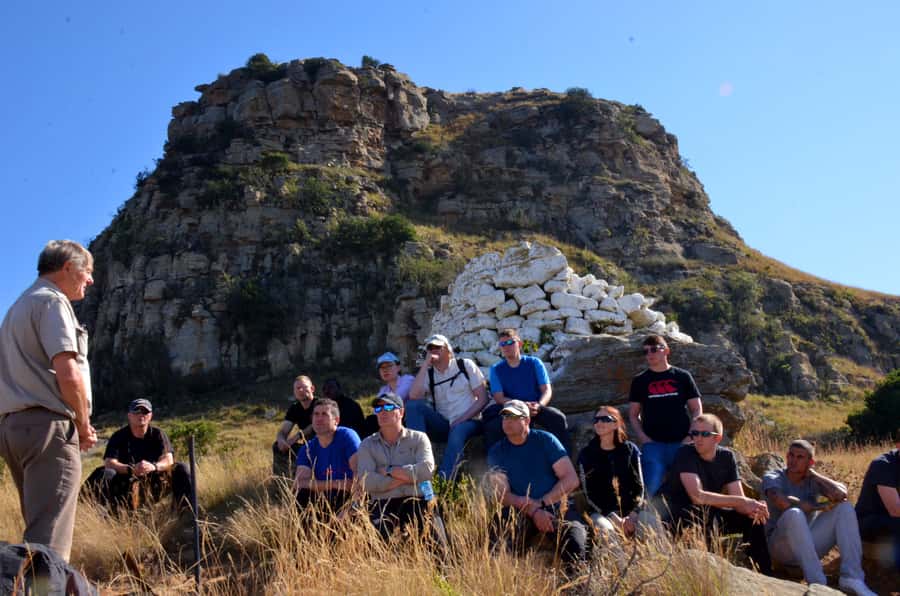
At $198 per person, this is not a bargain day trip in the usual sense. Its value comes from the distance, the driver-guide service, the planning, and the access to several battlefield sites in one outing.
Transport with a professional tour guide is included. Entry fees are also listed as included, but the important exception is the note saying that the Isandlwana fee is not included in the ticket. Because the wording conflicts, confirm this before paying or before setting out.
Lunch and drinks are not included. You should budget for both and bring water for the day. The supplied details do not specify a restaurant stop or a packed lunch, so do not assume food will be provided.
The price makes the most sense for you if you place a high value on history and do not want to drive a long distance through unfamiliar parts of KwaZulu-Natal. It is less appealing if you are mainly looking for scenery, a short excursion, or a flexible day with plenty of free time.
The guide is part of the real value. A battlefield can be hard to read without explanation, and a good guide can turn scattered facts into a clear story. The strongest praise for this experience has focused on the guides’ information, courtesy, and ability to manage the long day.
Who will enjoy this battlefield trip most
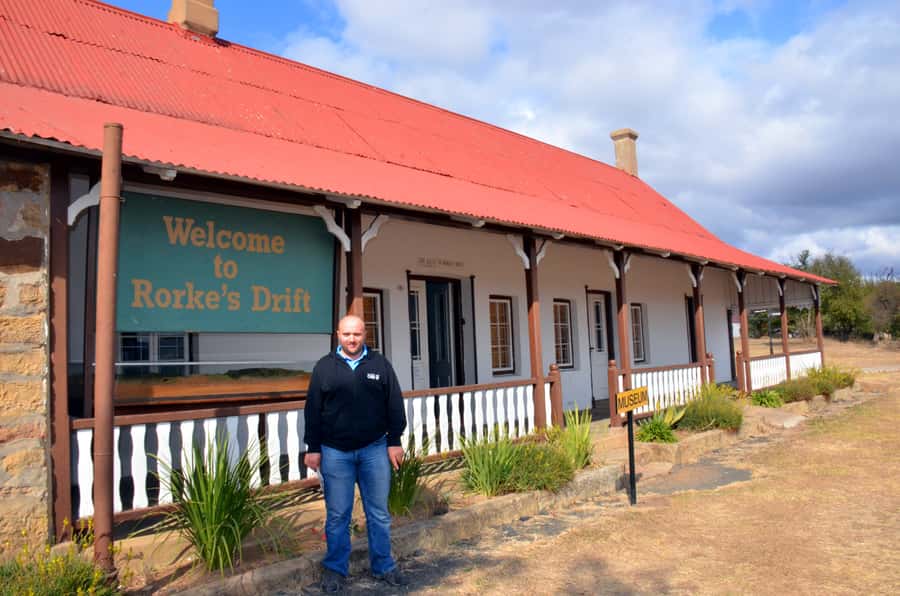
This tour is a natural fit for military-history fans, readers who already know something about the Anglo-Zulu War, and anyone who wants to see the places connected with the 1879 campaign.
It also suits visitors who prefer a structured day. Pickup is available from hotels or accommodations within a five-kilometre radius of the local supplier’s office at the Gooderson Tropicana Hotel on Durban’s South Beach. Pickup is also available from the harbour passenger terminal. Special pickup arrangements can be requested from the local partner.
You do not need to be an expert. The museum and live guide are there to build the story from the basics. But you should be ready for a serious subject and a long day, with much of the experience focused on military history rather than entertainment.
Wheelchair access is available, but wheelchair users should inform the local partner before the tour begins. The information provided does not describe every surface or facility at each site, so advance notice is sensible.
Comfortable shoes are essential. Sunscreen and comfortable clothing belong in your bag too. The sites are connected to open battlefields and memorial areas, so practical clothing is more useful than dressy clothes.
How to get more from your guide
I would treat the guide as your main historical resource. Ask for a clear explanation of the battlefield sequence at Isandlwana, then ask how Rorke’s Drift fits into the events that followed. The two visits work best when you compare them.
It is also worth asking about the difference between the British and Zulu forces, especially their weapons, training, numbers, and command decisions. The basic story is often reduced to technology versus courage, but the supplied history points to a more complicated result involving deployment and leadership.
If you have a strong academic interest, request a qualified historian for an additional fee. That is probably unnecessary for a general introduction, but it may be worth considering if you have read widely about the Anglo-Zulu War and want more detailed interpretation.
Guide availability can vary by language. English, Greek, Portuguese, and French are listed as available. German and Polish may be requested, but you should arrange that before the trip rather than assume it will be available on the day.
Booking flexibility and practical details
You can cancel up to 24 hours before the activity for a full refund. The reserve-now-and-pay-later option also helps if your Durban plans are not fixed, since you can hold a place without paying immediately.
Starting times depend on availability. Because this is a 14-hour outing, check the pickup time carefully and keep your evening free. A late return is possible simply because the day includes a long drive back to Durban.
The tour provider is 1st Zulu Safaris C.C. The advertised rating is 4.8 from 12 reviews, with repeated praise for professional service, courteous guides, strong historical explanations, and careful driving. The positive pattern is useful, but the long duration remains the main practical issue.
Should you book the Isandlwana and Rorke’s Drift tour?
Book it if you want a focused Anglo-Zulu War experience and value having transport and a live guide handle the long journey from Durban. The combination of Isandlwana, its museum, Rorke’s Drift, Fugitives Drift, and the Queen’s Colours memorial gives you a fuller picture than visiting one site alone.
Skip it if you want a short, easy excursion, dislike long drives, or have little interest in military history. Before booking, confirm the Isandlwana entrance charge, ask about your pickup point and guide language, and plan your own lunch and drinks.
For the right visitor, this is a serious and memorable day. It is not light sightseeing, but it connects museum facts with the actual places where the Anglo-Zulu War turned in unexpected ways.
FAQ
How long does the Isandlwana and Rorke’s Drift tour take?
The tour lasts 14 hours, including transport from Durban to the northern KwaZulu-Natal battlefields and the return journey.
What sites are included in the itinerary?
The itinerary includes the Isandlwana battlefield and museum, the Battle of Rorke’s Drift site, Fugitives Drift, and the Queen’s Colours memorial.
Is lunch included?
No. Lunch and drinks are not included, so you need to arrange and pay for them yourself.
Is the Isandlwana entrance fee included?
The information is inconsistent. Entry fees are listed as included, but a separate note says the Isandlwana fee is not included. Confirm this charge with the local partner before booking.
Where can pickup take place in Durban?
Pickup is possible from hotels or accommodations within five kilometres of the local supplier’s office at Gooderson Tropicana Hotel, 85 O R Tambo Parade, South Beach. Pickup is also available from the harbour passenger terminal.
What languages are available for the live guide?
English, Greek, Portuguese, and French are listed. German and Polish can be requested in advance.
Is the tour wheelchair accessible?
Yes, wheelchair access is available. Wheelchair users should inform the local partner before the tour begins.
Can I cancel the tour for a refund?
You can cancel up to 24 hours in advance for a full refund. A reserve-now-and-pay-later option is also available.
Just added around Durban
- From Durban: Hluhluwe Imfolozi Game Reserve Day Trip★ 4.5 · 13 reviews
- Half Day Tala Game Reserve & Natal Lion Park from Durban★ 3.3 · 16 reviews
- Half Day Durban City Tour and Phezulu Safari Park★ 4.3 · 4 reviews
- Full Day Hluhluwe Imfolozi Game Reserve Tour from Durban★ 4.5 · 7 reviews
- From Durban: Wildlife Lovers Big 5 Safari at 2 Game Reserves★ 5.0 · 5 reviews
- From Durban: Half Day Durban City Tour★ 4.2 · 18 reviews
- From Durban: 2-Day Lesotho Guided Trip with Lodging & Meals★ 4.9 · 5 reviews
- Mandela Capture Site Howick Falls & PheZulu Village Day Trip★ 3.7 · 7 reviews
1-Day Tours, compared.

Big Five Safari and Breede River Valley Guided Day Trip
Read our review →
Jo’berg in 1 Day: Soweto, Apartheid Museum & City Tour
Read our review →
Cape Peninsula & Table Mountain Private Day Trip
Read our review →
Table Mountain and Cape Town City Half-Day Trip
Read our review →
Stellenbosch, Franschhoek and Paarl Winelands Full Day Trip from Cape Town
Read our review →
Sani Pass, Lesotho and Basotho Village Day Trip
Read our review →
Pilanesberg Game Reserve Safari and Sun City Day Trip from Johannesburg
Read our review →Browse the lists this tour appears in