Reviewed · CAPE TOWN TOURS
AFRIKOA Bean-to-Bar Chocolate Experience
The most interesting part of AFRIKOA’s chocolate experience is its full bean-to-bar journey. You follow cacao from fermentation and drying through roasting, grinding, refining, conching, and tempering, rather than hearing only a quick story about finished sweets.
I like the direct connection to Tanzanian heirloom cacao, and I like that the session includes tasting instead of stopping at theory. The chocolate aroma in the store adds to the setting, and the friendly chocolatier keeps the short presentation lively. The main drawback is the 30-minute length. One session feels so enjoyable that you may wish it ran longer.
Key points
- Twelve chocolate-making steps: Learn how cacao changes from fermented bean to tempered chocolate.
- Single-origin focus: AFRIKOA uses heirloom cacao sourced directly from farmers in Tanzania.
- Live production: See how selected products are made, not just finished bars on a shelf.
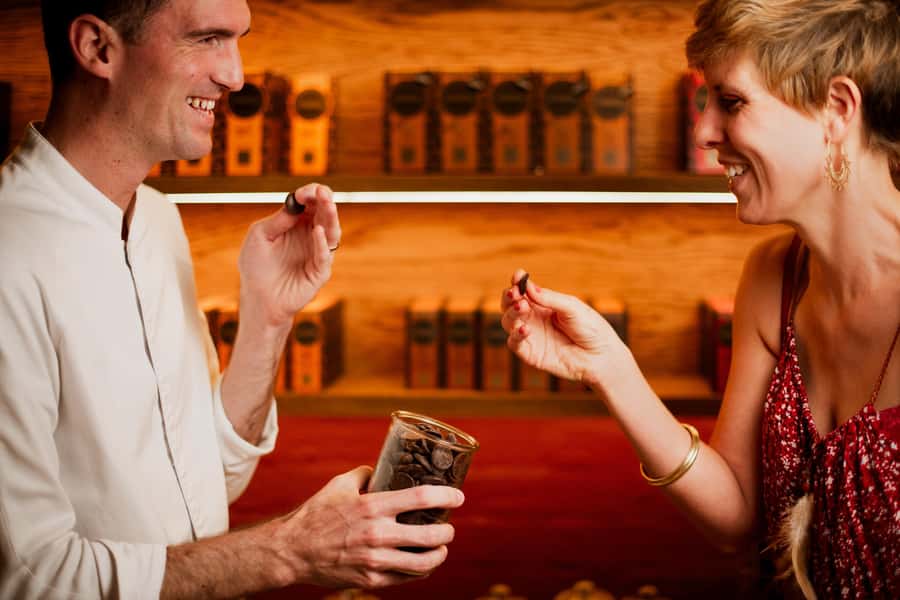
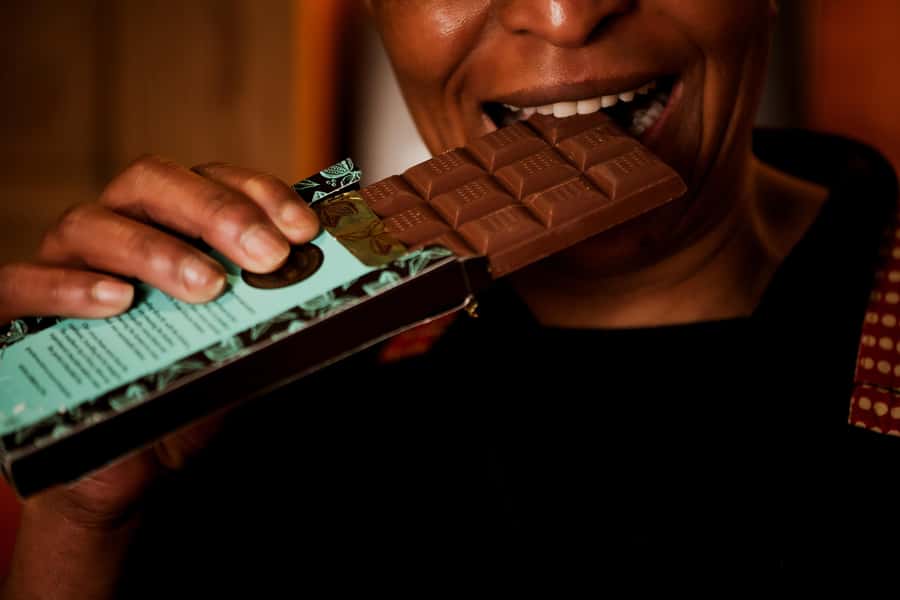
- Chocolate tasting included: Sample AFRIKOA’s own chocolates during the experience.
- Makers Landing location: Meet at Store G11 and follow the smell of chocolate.
- Short, easy booking: The session lasts 30 minutes, costs $13 per person, and is wheelchair accessible.
Starting at Store G11 in Makers Landing
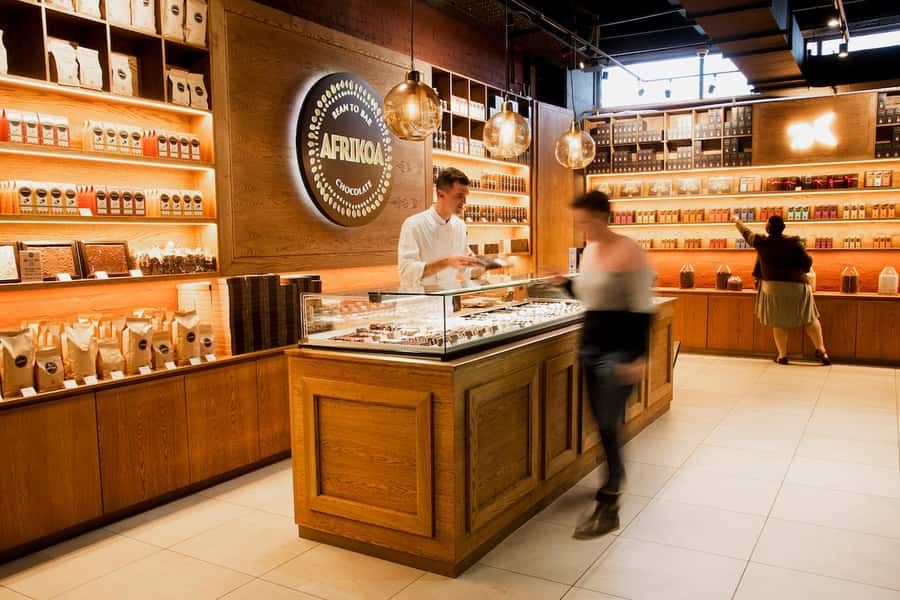
You begin at AFRIKOA’s store, G11 in Makers Landing, in the Western Cape. There is no separate meeting point to track down. Walk into the store and follow the chocolate smell.
That simple arrival matters. You are already among the products and ingredients before the explanation begins, so the session feels tied to the working chocolate shop rather than set apart as a formal classroom. You can also browse the shelves afterward for something to take home.
The experience is offered from Wednesday through Sunday between 10:00 a.m. and 3:00 p.m. The last booking is at 3:00 p.m. If you want to fit it into a larger day at Makers Landing, a morning or early afternoon slot gives you the most breathing room.
The published duration is 30 minutes. That makes this easy to add to a Cape Town outing, but you should set expectations correctly. This is an introduction with demonstrations and tasting, not a long workshop where you make a full chocolate bar from beginning to end.
A few more Cape Town trips to weigh up
- Cape Town Dessert Thrill: 4×4 Dune Venture
★ 5.0 · 3 reviews
Why Tanzanian cacao changes the story
AFRIKOA works with heirloom cacao beans from Tanzanian farmers and follows the production process through to the finished chocolate. That sourcing gives the experience a useful point of difference. You are not simply learning how chocolate is made in general. You are learning how a particular origin becomes part of the final flavour.
AFRIKOA’s single-origin approach means the cacao comes from a specific region of Tanzania. Keeping beans linked to one region lets the character of that place remain part of the chocolate rather than blending it away with beans from many origins.
For you, this gives the tasting more purpose. Instead of sampling several sweets with no explanation, you can connect the flavour to the decisions made earlier in production. The experience presents chocolate as an agricultural product first, then as a finished treat.
The emphasis on direct sourcing also introduces the values behind bean-to-bar chocolate: sustainability, transparency, and ethical production. The session is short, so it cannot cover every detail of farming or supply chains. Still, those ideas give the process a wider meaning beyond taste.
The first stages: fermentation and drying
The journey begins with cacao after harvesting. Fermentation is one of the key early steps, because it helps develop the flavours that later roasting can bring forward. The bean does not begin as the chocolate flavour you recognize from a bar. Much of that character is built before the bean reaches the factory.
Drying follows fermentation. This reduces moisture and prepares the beans for later handling. It sounds like a basic stage, but it is essential. If the early preparation is poor, the later grinding and tempering cannot fully rescue the result.
You are shown the process as part of the wider 12-step route. The value here is seeing how many decisions sit behind a small piece of chocolate. A bar may look simple on the shelf, but its flavour depends on careful work long before the finished product is wrapped.
Roasting brings out the cacao character
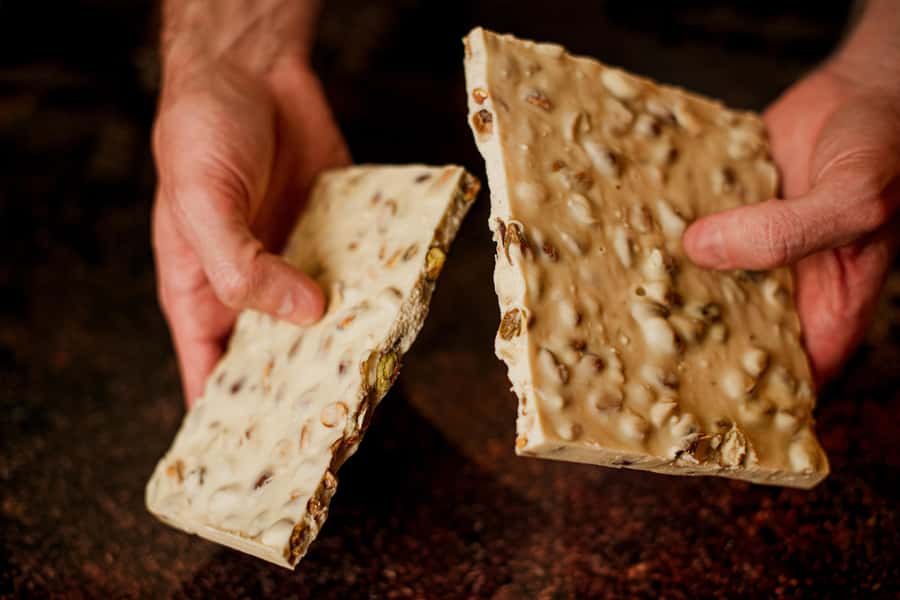
Once the beans are prepared, roasting helps develop their aroma and flavour. This is the point where the cacao starts to smell more like the chocolate you know.
The experience includes live work on specific AFRIKOA products, so you get more than a list of technical terms. You see how the company turns its selected beans into something ready for eating. The exact products demonstrated can vary, and the activity information does not name each one, but the focus remains on AFRIKOA’s own chocolate-making methods.
Roasting is also a useful reminder that chocolate is not just about adding sugar or flavourings. Heat changes the beans themselves. The final taste comes from the origin of the cacao and from how the beans are handled.
Same country, a completely different kind of day:
- Wine Tour: Paarl, Franschhoek & Stellenbosch incl 3 wineries
★ 5.0 · 3,940 reviews - Cape Town: Hop-On Hop-Off Bus Tour with Optional Cruise
★ 4.8 · 3,929 reviews - Cape Town: Cape of Good Hope & Penguins Day Tour with Pickup
★ 4.7 · 3,362 reviews - Zipline Cape Town – From Foot of Table Mountain Reserve
★ 5.0 · 3,179 reviews
Grinding and refining create the texture
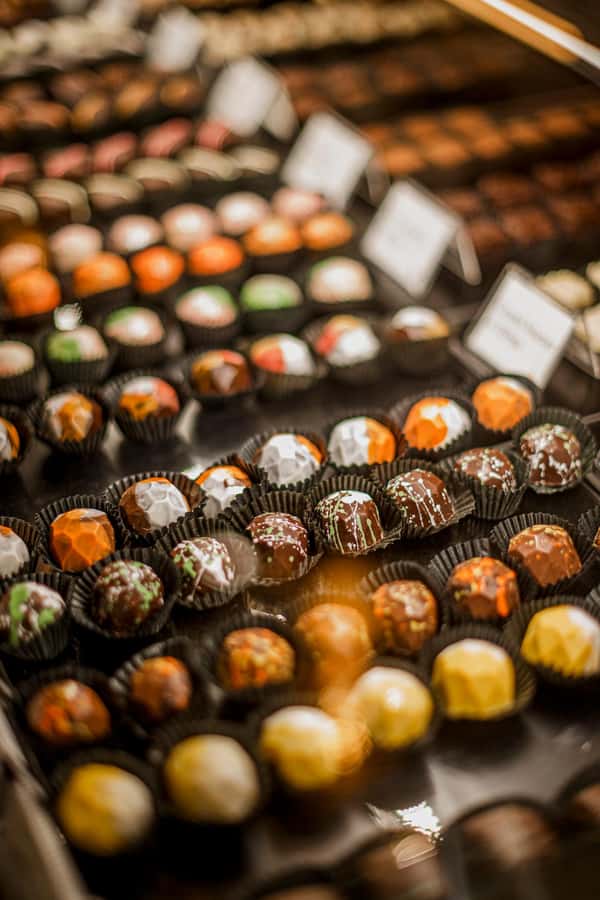
After roasting, the beans are ground. This breaks them down and releases the cacao’s natural fats, creating the base of the chocolate.
Refining then works on the texture. Chocolate that tastes good but feels gritty will not seem finished, so this stage matters as much to your mouth as it does to the production process. The fine texture of a good bar is the result of time and careful control, not simply a by-product of grinding.
For a short experience, these are the stages that help you understand why bean-to-bar chocolate differs from a generic sweet. AFRIKOA is presenting the whole transformation, including the less glamorous machinery work that most buyers never see.
Conching develops flavour and smoothness
Conching is another important stage in the 12-step process. It helps develop the chocolate’s flavour and smoothness through continued working.
You may find this part especially useful if you have only thought of conching as a technical word on a chocolate label. Here, it sits in the middle of a clear sequence: cacao is prepared, roasted, ground, refined, and then worked further before it can be tempered and sold.
The short format means the chocolatier must keep the explanation moving. That is part of the appeal for a casual visitor, but it also limits the time available for detailed questions. If you already have a serious interest in chocolate production, you may want to ask your most important question early.
Tempering gives the chocolate its finish
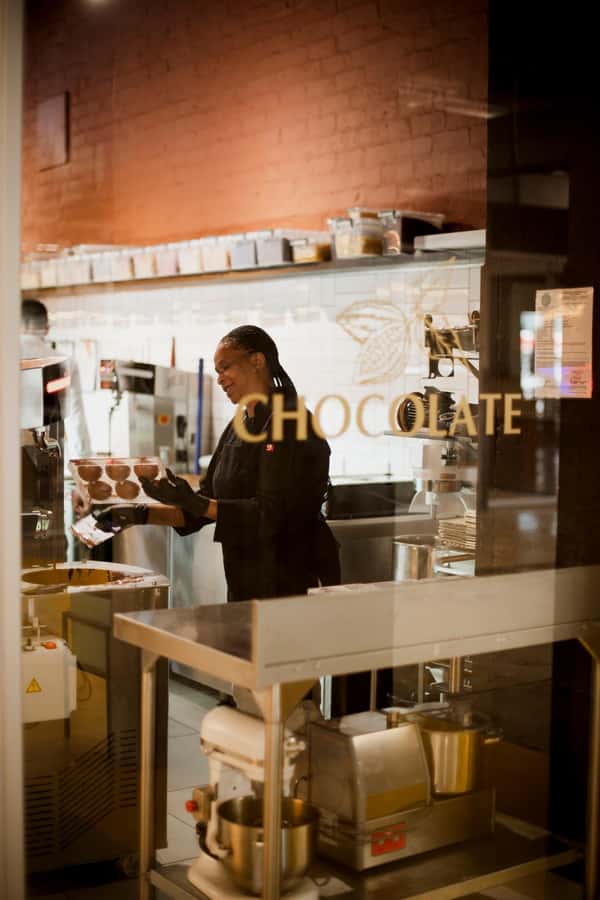
Tempering comes near the end of the process. It controls how the cocoa butter sets, helping create the familiar finish and snap of properly made chocolate.
This is where the earlier stages become a finished product you can taste. Tempering is not merely decoration. It affects the appearance, texture, and way the chocolate melts.
Seeing this final step before sampling gives the tasting a clearer purpose. You can pay attention to texture and finish rather than judging the chocolate only by sweetness. The experience encourages you to notice how the bar feels as well as how it tastes.
A tasting that makes the lesson practical
Chocolate tasting is included in the $13 price. That is important, because the tasting turns a production talk into a sensory experience. You hear about the beans, then get to connect the explanation with the finished chocolate.
The samples are AFRIKOA’s cherished chocolates. The available information does not specify a fixed tasting menu, so you should not expect a guaranteed list of flavours or bar types. What you can count on is the chance to taste the company’s work after learning how it is made.
The tasting is also where the single-origin idea becomes easiest to understand. Tanzanian cacao is not presented as an abstract sourcing note. It becomes something you can examine through aroma, flavour, texture, and finish.
A word of caution: this is not described as an all-you-can-eat tasting or a full meal. The tasting is part of a 30-minute educational experience. If you are booking mainly for a large amount of chocolate, the retail shop and its additional products may matter as much as the session itself.
The chocolatier makes the short format work
The chocolatier leading the session is described as friendly and energetic, with enough warmth to keep the presentation from feeling stiff. That tone suits the subject. Chocolate can be technical, but it is also playful and familiar.
The English-language instruction keeps the experience straightforward for visitors who are comfortable in English. You can expect explanations of the process and product demonstrations rather than a hands-on class led in several languages.
One useful detail is the pace. A 30-minute experience has to move from origin to finished bar quickly. The friendly presentation helps, but you should not plan on a long private conversation with the chocolatier unless time allows.
If you enjoy asking questions, arrive with one or two ready. Good topics might include the Tanzanian origin, the difference between roasting and conching, or which AFRIKOA products best show the character of the cacao. The supplied information does not name the individual chocolatier, so there is no guide name to request when booking.
Is $13 good value?
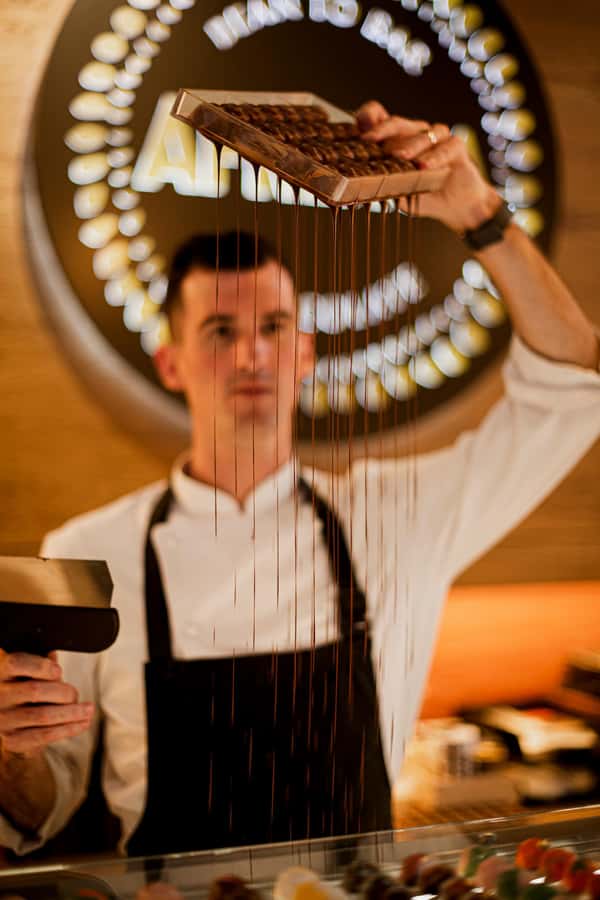
At $13 per person, I consider the experience good value for a short introduction, especially because tasting is included. You are paying for a compact explanation of the entire process, live production insight, and chocolate samples in a retail setting.
The value is strongest if you are already visiting Makers Landing. There is no need to arrange separate transport for the activity, and you can combine the session with browsing and food nearby. The store also gives you a chance to buy additional products and gifts, though those purchases are not included in the activity price.
The value is weaker if you want a long, hands-on workshop. You will not get a full afternoon of chocolate-making for $13, and the 30-minute schedule leaves limited time for extended detail. The experience is best judged as an accessible tasting and demonstration, not as professional training.
A flexible booking option lets you reserve and pay later, and cancellation is free up to 24 hours before the activity for a full refund. That is useful when you are arranging a Cape Town schedule around weather, transport, or other timed visits.
Who should book this chocolate experience?
I would recommend AFRIKOA to adults, couples, food-focused visitors, and families with older children who want a short activity with a clear takeaway. It also suits anyone curious about African cacao sourcing and the bean-to-bar process.
Children under seven are not suitable for the experience. Older children may appreciate the tasting and the machinery side of chocolate, though the educational value depends on their interest and attention span.
This is a good choice for chocolate shoppers who want to understand the product before buying it. It is also useful for visitors looking for a small gift with a stronger story than a standard souvenir. The Tanzanian single-origin focus gives the chocolate a clear sense of place.
I would hesitate to recommend it as your main Cape Town food activity if you want a long meal, a large tasting flight, or a hands-on class. The schedule is simply too brief. Think of it as a smart half-hour addition to a day at Makers Landing.
Practical details before you go
The experience is wheelchair accessible. Instruction is in English, and alcohol and drugs are not allowed.
AFRIKOA operates the experience Wednesday through Sunday from 10:00 a.m. to 3:00 p.m., with the final booking at 3:00 p.m. It is closed on December 25, December 26, and January 1.
Plan to arrive at Store G11 in Makers Landing rather than searching for a separate tour office. Since the session lasts only 30 minutes, arriving on time matters. A late arrival could mean missing part of the step-by-step process.
Afterward, allow time to browse the additional products. They are not included in the $13 price, but the shop is the natural place to find gifts for family and friends. The chocolate smell is hard to ignore, so leaving without buying anything may require more discipline than expected.
Should you book AFRIKOA?
Book it if you want an affordable, compact introduction to bean-to-bar chocolate with tasting included. The strongest reasons are the Tanzanian single-origin focus, the complete 12-step explanation, and the chance to see how AFRIKOA turns cacao into specific products.
Skip it if you need a long workshop or a detailed technical course. For most visitors already spending time at Makers Landing, though, 30 minutes and $13 make this an easy add-on with real substance. You learn where chocolate begins, how it changes, and why the finished bar tastes the way it does.
FAQ
Where does the AFRIKOA Bean-to-Bar Chocolate Experience take place?
It takes place at AFRIKOA’s store, G11 in Makers Landing, in the Western Cape. You should go directly into the store and follow the smell of chocolate.
How long does the chocolate experience last?
The experience lasts 30 minutes.
How much does the experience cost?
The listed price is $13 per person.
What is included in the price?
The price includes an explanation of the chocolate-making journey from fermenting and drying through roasting, grinding, refining, conching, and tempering. Chocolate tasting is also included.
Is the tasting included?
Yes. You can taste AFRIKOA’s chocolates during the experience.
What language is the experience offered in?
The instructor leads the experience in English.
Is the experience wheelchair accessible?
Yes, the experience is wheelchair accessible.
Can children attend?
Children under seven are not suitable for this activity.
When is AFRIKOA closed?
The experience is closed on December 25, December 26, and January 1. It operates Wednesday through Sunday between 10:00 a.m. and 3:00 p.m. the rest of the stated schedule.
Just added around Cape Town
- Lion’s Head Sunrise or Sunset Hike + Hotel Pick-Up★ 5.0 · 24 reviews
- Lion’s Head Hike: Cape Town – Sunrise or Sunset Hike★ 5.0 · 29 reviews
- Lion’s Head: Hike with a registered hiking guide★ 5.0 · 3 reviews
- Kruger National Park 3 Days Best Ever Safari from Cape Town★ 4.1 · 11 reviews
- Koeksister and Samoosa Class by the Malay Cook Up★ 4.8 · 9 reviews
- Kirstenbosch Garden, Bo-Kaap-Penguins & Cape Peninsula Tour★ 3.9 · 7 reviews
- Khayelitsha: 3-Hour Township Walking Tour★ 5.0 · 6 reviews
- Cape Town: Constantia Half-Day Wine Tour & Tastings★ 4.9 · 15 reviews
Cape Town Tours, compared.

Wine Tour: Paarl, Franschhoek & Stellenbosch incl 3 wineries
Read our review →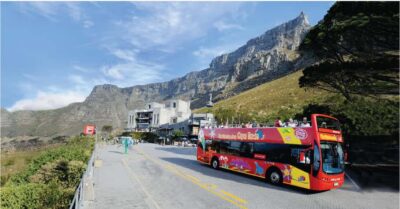

Cape of Good Hope & Penguins Day Tour with Pickup
Read our review →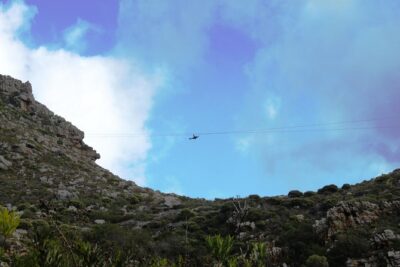
Zipline Cape Town – From Foot of Table Mountain Reserve
Read our review →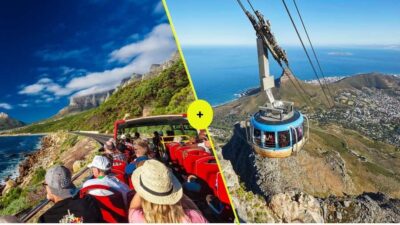
Table Mountain Cable Car, Hop-On Hop-Off Bus Tour
Read our review →
Cape Point and Boulder’s Penguins Full Day Tour
Read our review →